Dry Needling
Dry needling has emerged as a highly effective, evidence-based treatment within holistic pain management. This technique helps release tight muscles, reduce pain, and restore your ability to function in daily tasks. Let us explore exactly what dry needling is, the science behind how it works, and how it can become a vital part of your personalized wellness plan.
Living with persistent neck, back, or shoulder tension makes balancing a demanding career and an active family life incredibly difficult. When chronic pain flare-ups prevent you from working out, playing with your children, or focusing at your desk, finding a sustainable solution becomes a top priority. You need preventative care that fits into your busy schedule and actually delivers results.

What is Dry Needling?
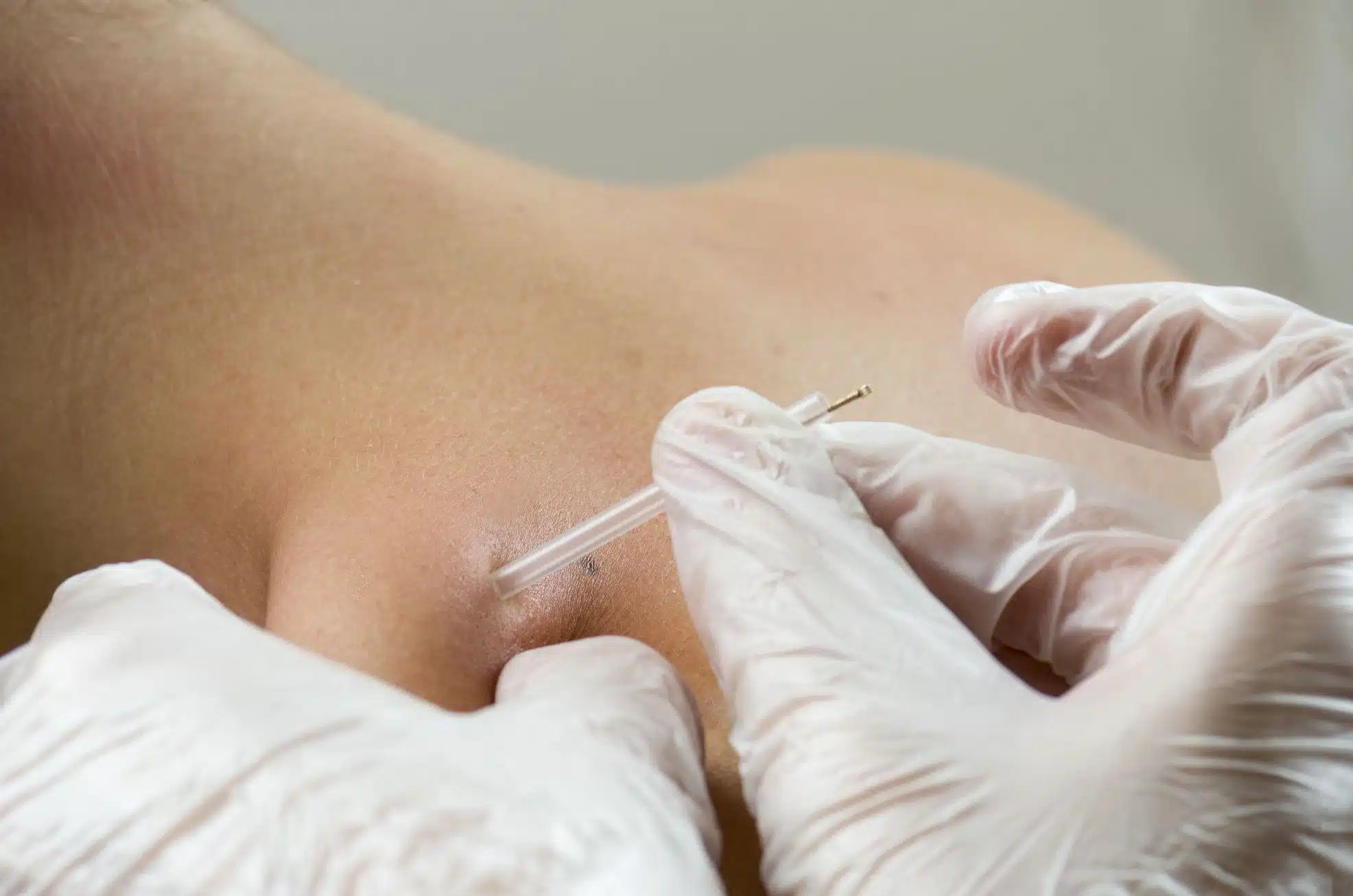
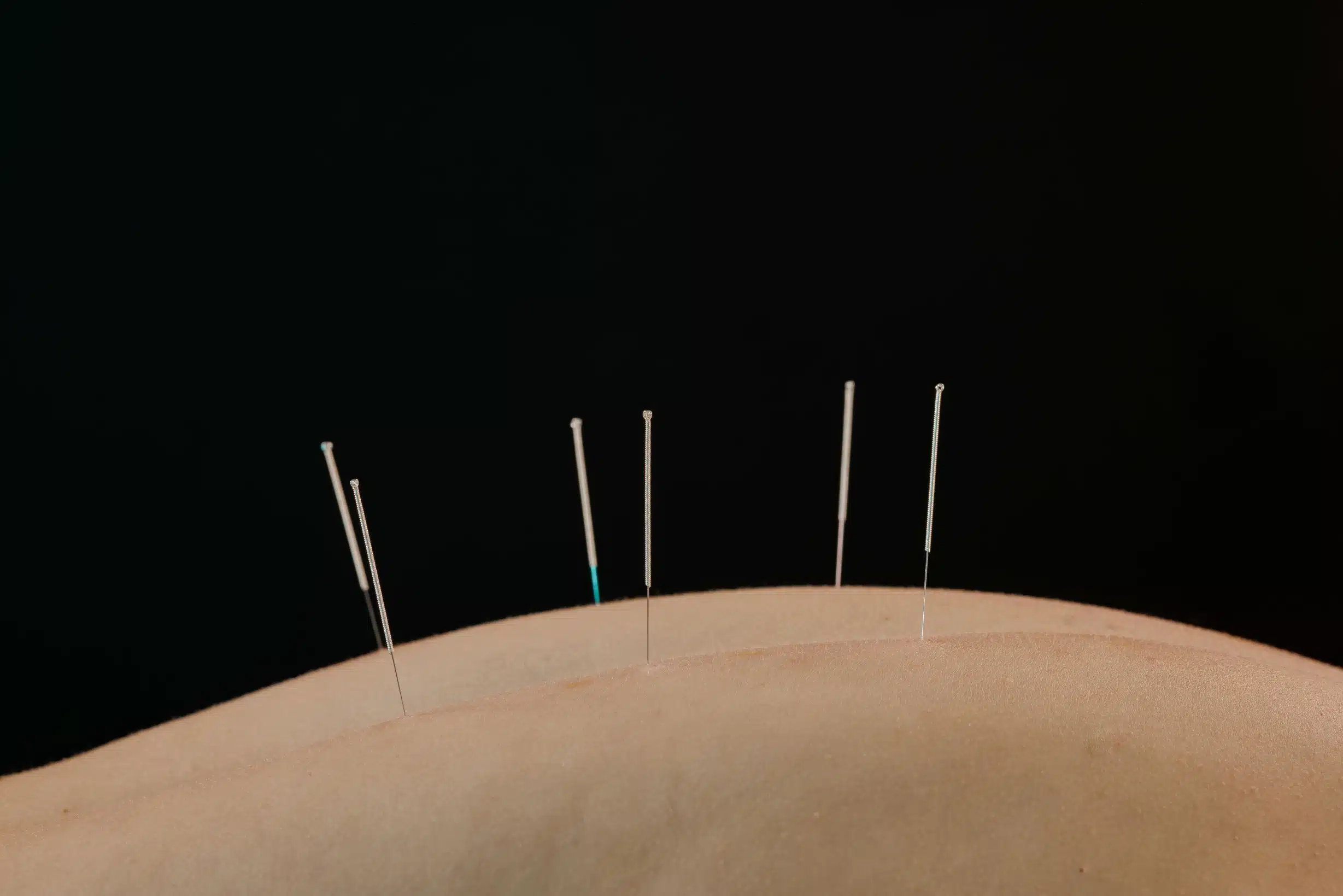
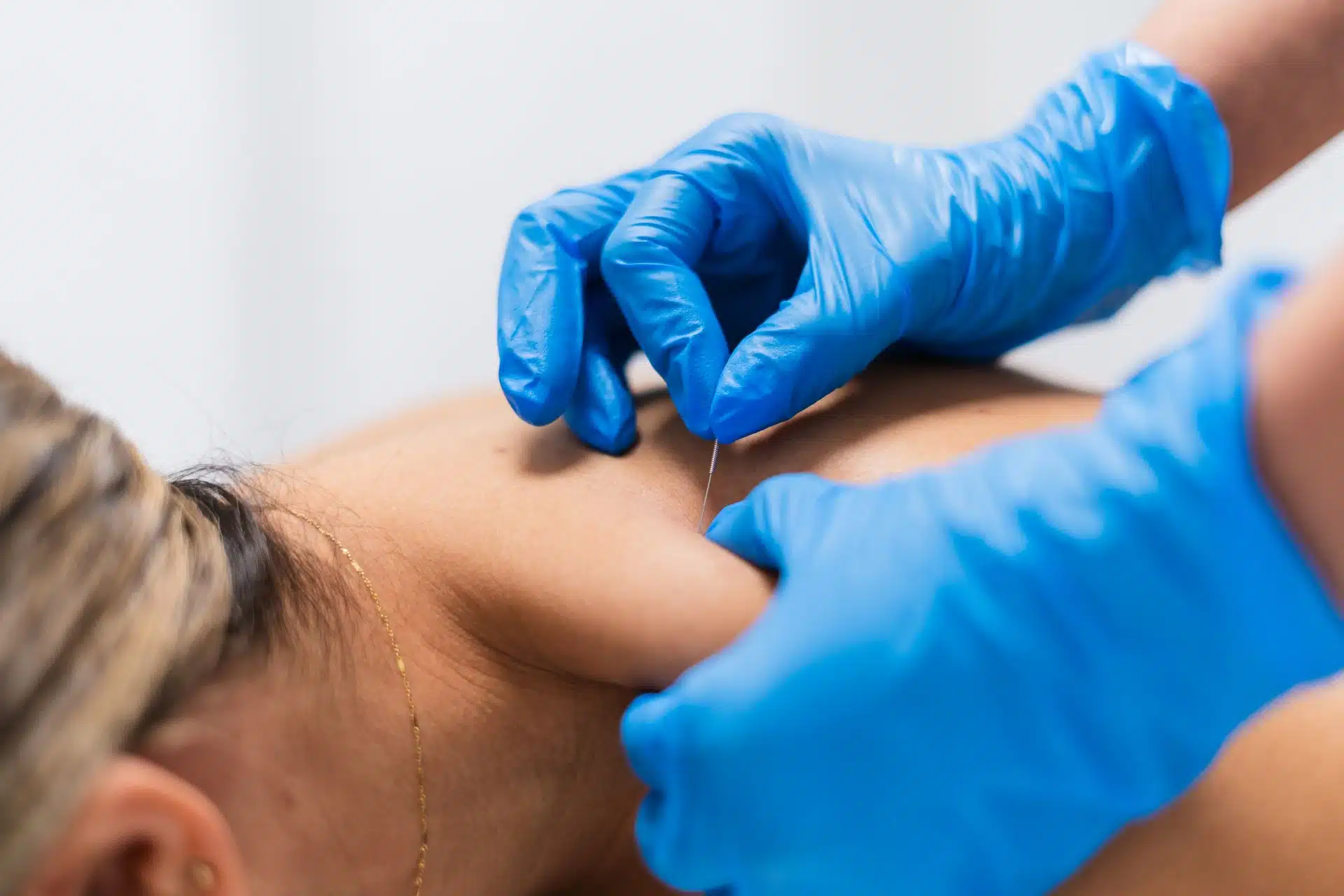
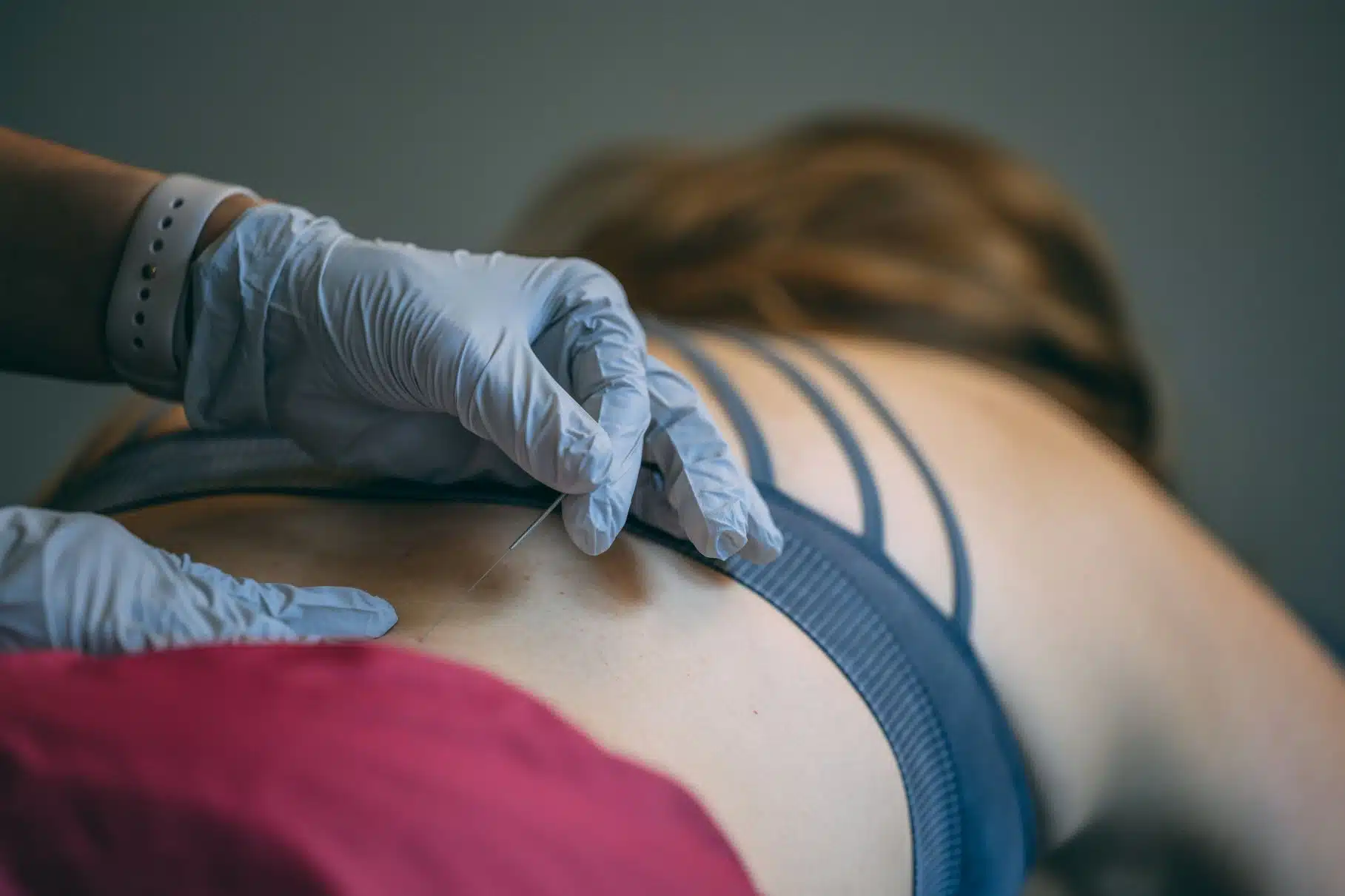
Dry needling is a therapeutic technique used to treat muscular pain and movement impairments. During a session, a certified practitioner inserts a thin, solid monofilament needle directly into a targeted myofascial trigger point. You likely know these trigger points as the stubborn, painful “knots” that develop in your muscles after long hours at a desk or an intense workout. We use the term “dry” because the needle itself acts as the primary treatment, without injecting any medication or fluid into your tissue.
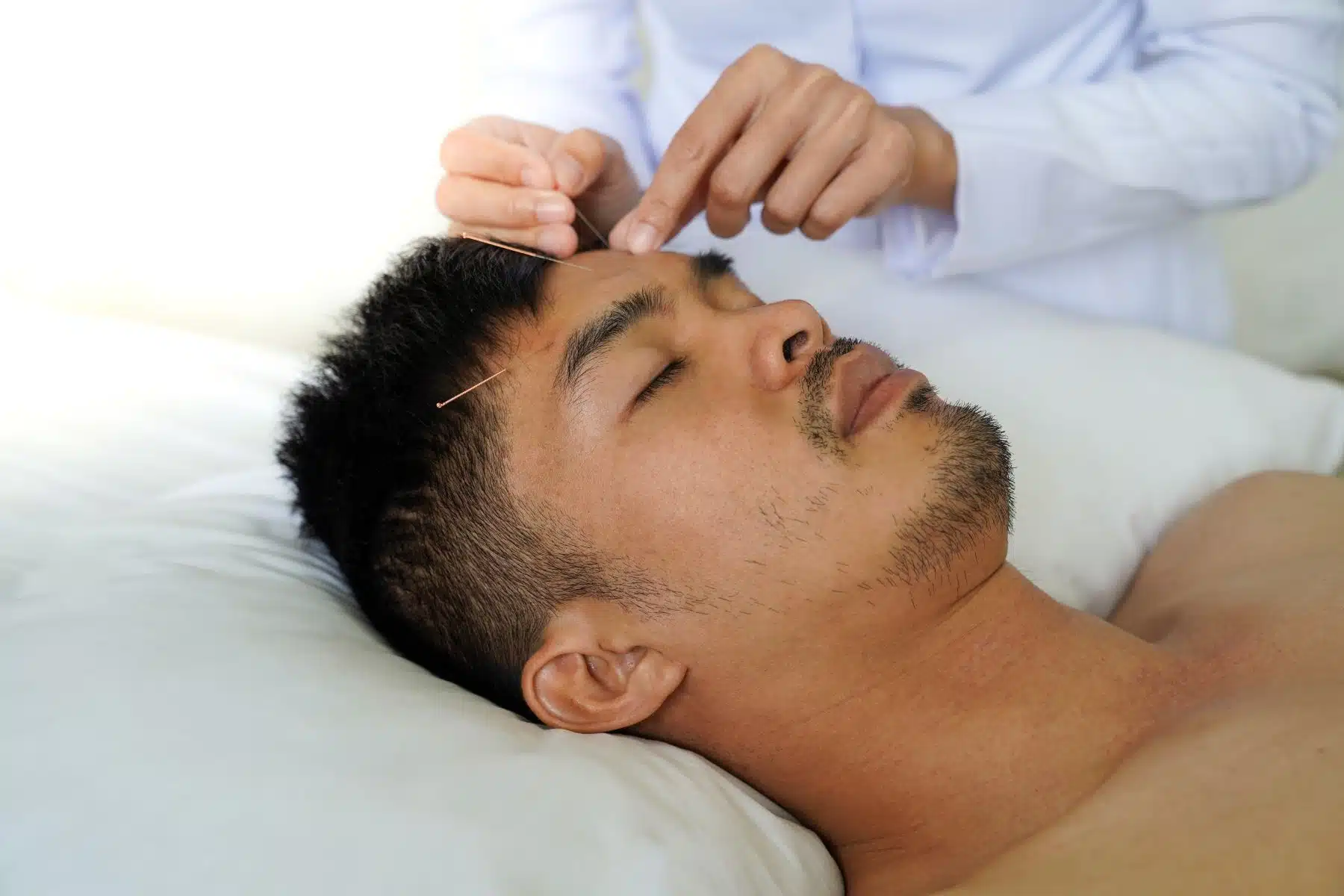
Many people confuse dry needling with acupuncture, but the two practices are fundamentally different. Acupuncture stems from traditional Chinese medicine and focuses on altering the flow of energy, or “qi,” along specific meridians in the body. Dry needling, on the other hand, relies entirely on modern Western medicine and the anatomical study of the musculoskeletal system. Practitioners use it specifically to target muscular dysfunction, relieve pain, and improve mobility.
How Does Dry Needling Work?
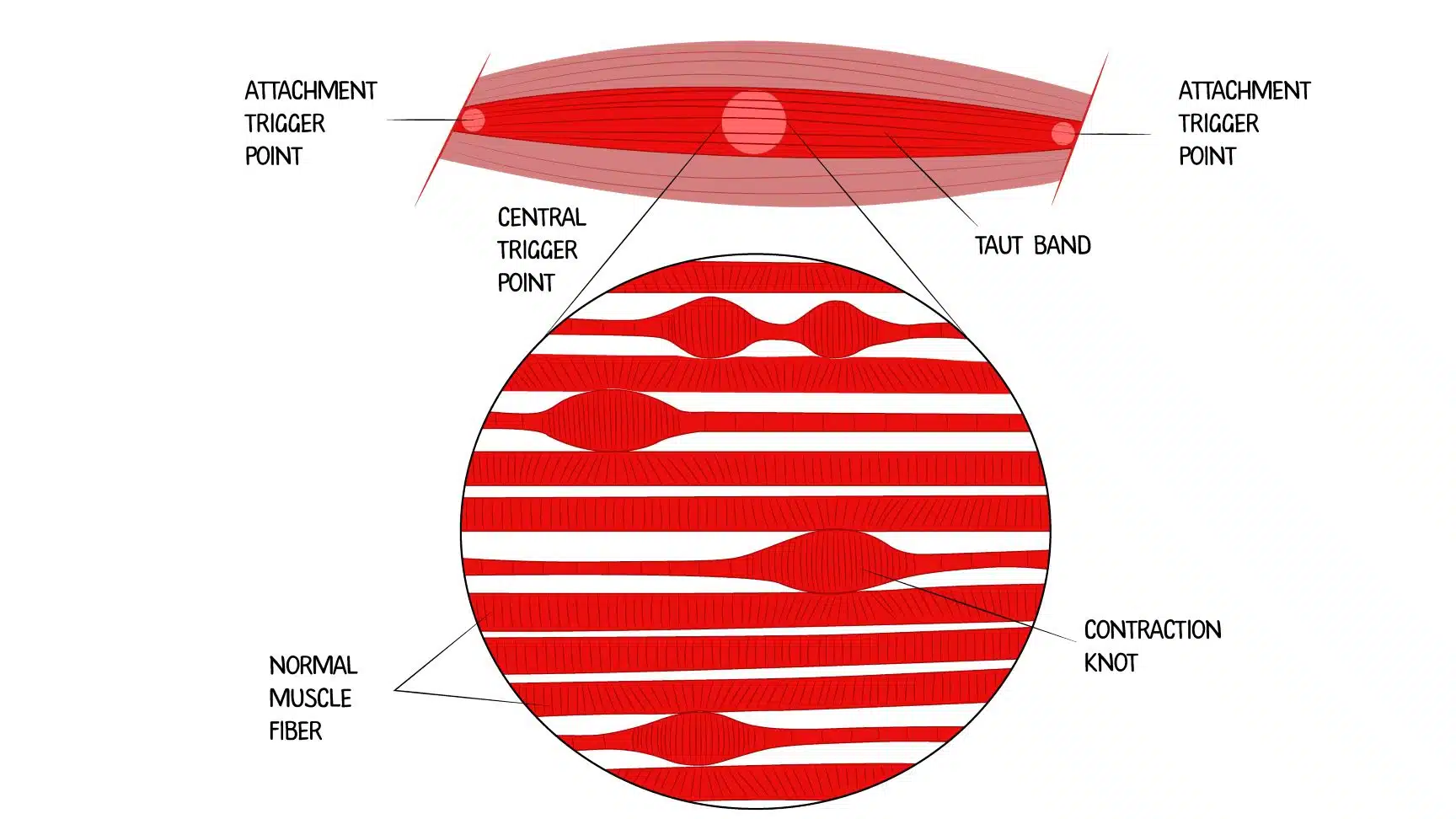
To understand how dry needling works, we first need to discuss trigger points. Most people are familiar with the sensation of a “muscle knot.” You might feel one in your neck or shoulders after a long week of meetings or in your calf after a difficult run. In clinical terms, these knots are known as myofascial trigger points. A trigger point is a small, hyperirritable spot located within a taut band of skeletal muscle. This spot becomes painful when compressed and can lead to a host of problems, including referred pain, stiffness, and decreased strength.
These trigger points develop when muscle fibers, due to stress, overuse, or injury, become stuck in a contracted state. This constant contraction restricts blood flow to the immediate area. Without adequate blood supply, the muscle tissue is deprived of oxygen and essential nutrients, while metabolic waste products, like lactic acid, begin to accumulate. This chemical buildup further irritates the muscle fibers, creating a self-sustaining cycle of pain and dysfunction that prevents the muscle from fully relaxing.
Releasing Tension with Dry Needling
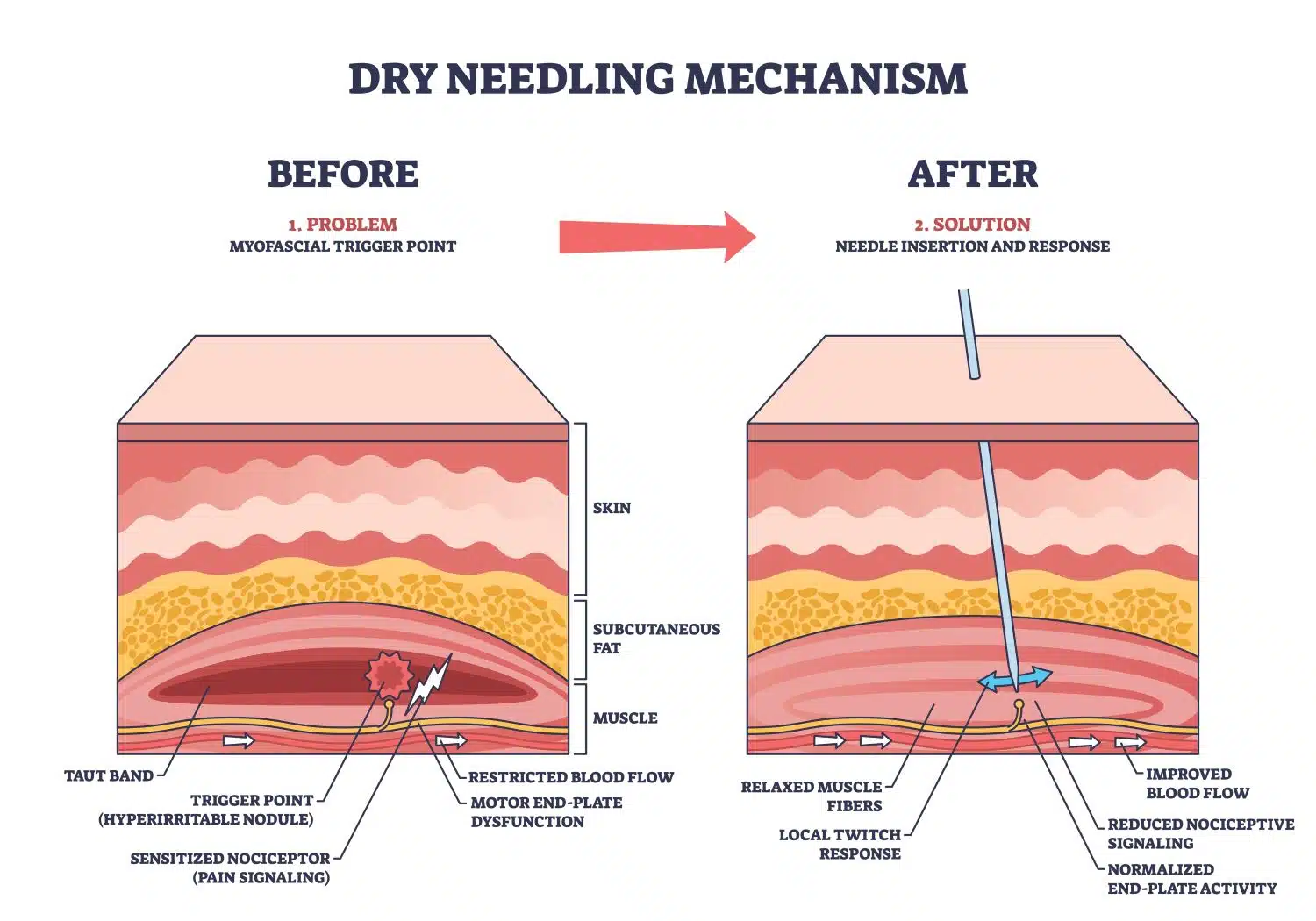
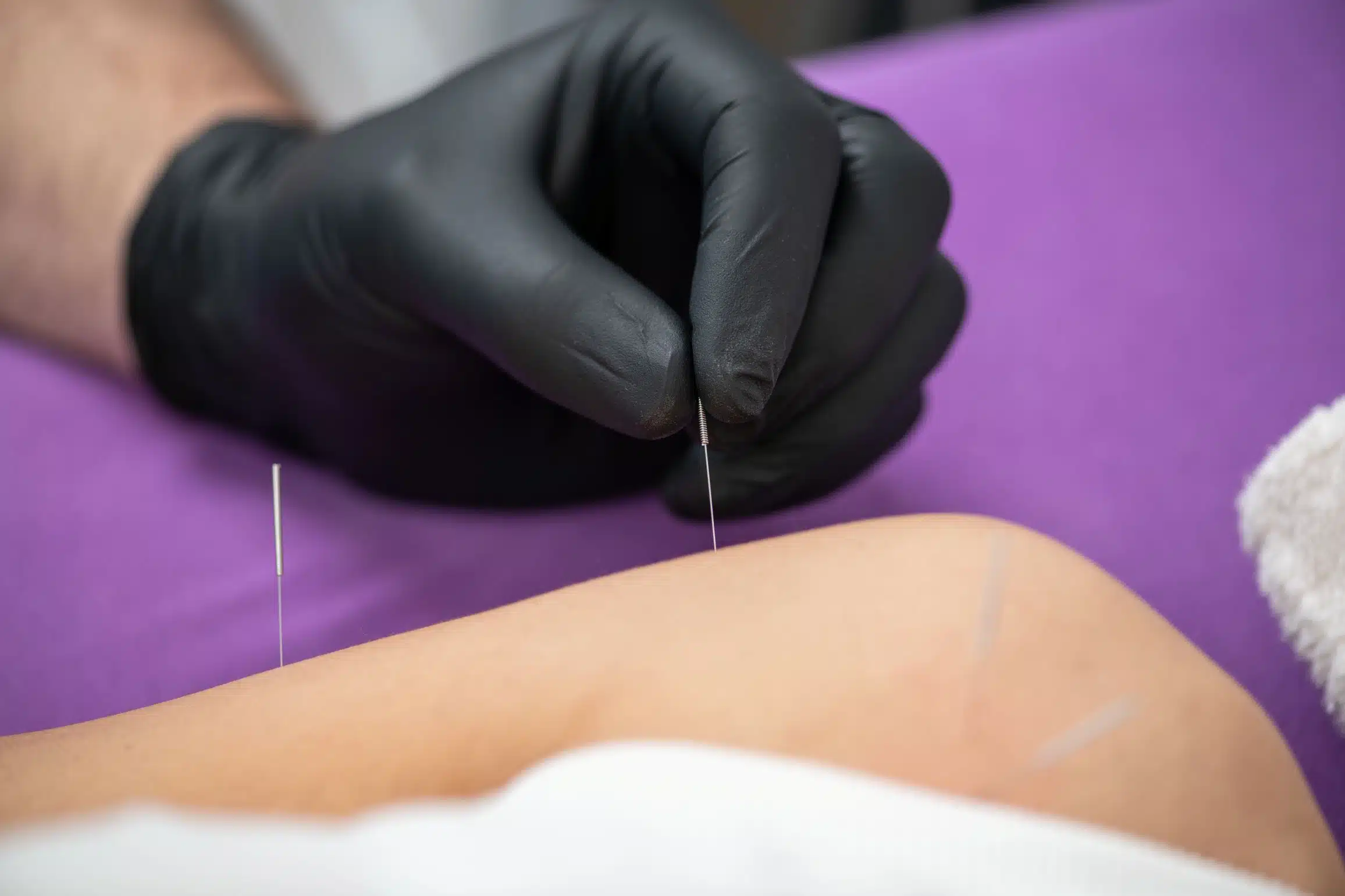
Dry needling directly interrupts this painful cycle. The procedure involves a trained practitioner inserting a very thin, solid filament needle into the identified trigger point. The primary goal is to elicit what is known as a “local twitch response.” This is a brief, involuntary spinal cord reflex in which the muscle fibers in the taut band contract and then relax.
This twitch response is the key to the effectiveness of dry needling. It serves as a powerful reset for the muscle, breaking the dysfunctional pattern of contraction. It helps to release the deep-seated tension that manual therapies sometimes cannot reach, allowing the muscle fibers to return to their normal, resting length.
Furthermore, the simple mechanical act of inserting the needle creates a micro-lesion in the tissue. Your body perceives this as a minor injury and initiates its natural healing response. It immediately increases blood circulation to the area, a process called localized vasodilation. This rush of fresh, oxygenated blood delivers vital nutrients needed for tissue repair and, just as importantly, flushes out the accumulated acidic waste products that were causing irritation.
The Science of Natural Healing
The benefits of dry needling extend beyond the immediate mechanical release. The technique stimulates several physiological processes that contribute to long-term healing and pain relief.
When the needle stimulates the muscle and surrounding nerves, it sends signals to the central nervous system. In response, the brain releases its own natural pain-relieving chemicals, such as endorphins and enkephalins. These neurochemicals act as natural opioids, helping to modulate and reduce your perception of pain.
The process also helps to down-regulate the nervous system’s sensitivity in the area. Chronic pain often makes the local nerves hyper-excitable, causing them to send pain signals even with minimal provocation. By resetting the muscle and improving the local chemical environment, dry needling helps to calm these overactive nerves, restoring normal function and reducing chronic pain signaling over time. In essence, it leverages your body’s own sophisticated healing systems to resolve the root cause of the muscular dysfunction.
Key Benefits of Dry Needling
Integrating dry needling into your holistic care routine offers a multitude of sustainable health benefits. For professionals balancing demanding careers and active family lives, finding an evidence-based approach to wellness is essential. This precise technique goes beyond masking symptoms to address the root causes of musculoskeletal dysfunction. By targeting specific trigger points, dry needling initiates physiological changes that support your body’s natural healing processes.
Pain Relief with Dry Needling
The most immediate and profound benefit of dry needling is substantial pain relief. When you experience a chronic pain flare-up, it often stems from tight bands of muscle tissue that constantly send pain signals to your brain. Dry needling directly interrupts this cycle by forcing these stubborn muscle knots to release. This mechanical reset alleviates the constant pressure on surrounding nerves and tissues.
This evidence-based treatment effectively manages both acute injuries and chronic conditions. We routinely use this technique to help patients find lasting relief from debilitating lower back pain, severe neck tension, and frequent migraines. For individuals suffering from tension headaches, treating the soft tissue of the cervical spine and surrounding musculature brings remarkable results. Because it addresses the exact anatomical source of the pain, the relief is highly sustainable. This allows you to focus on your professional tasks and family commitments without the distraction of constant discomfort.
Improved Mobility and Flexibility
Chronic muscle tension physically shortens your muscle fibers, which subsequently pulls your joints out of proper alignment. This restricts your natural range of motion and makes everyday movements feel stiff and labored. Good posture keeps the joints and bones aligned properly to ensure the muscles are being used the right way. When tight muscles prevent this alignment, you risk wearing out joint surfaces at an abnormal pace.
Dry needling actively reduces this extreme muscle tightness. As the targeted needle releases the trigger point, the muscle fiber returns to its normal, healthy resting length. This restored range of motion is crucial for health-conscious individuals who want to maintain an active lifestyle. Whether you need the flexibility to excel in your morning yoga practice, participate in weekend sports, or comfortably lift your children, improving your mobility protects your joints from premature wear and degenerative conditions.
Faster Recovery from Injuries
Whether you are rehabilitating a recent sports injury or recovering from a necessary surgical procedure, dry needling significantly accelerates your healing timeline. Tissue damage naturally triggers an inflammatory response in your body. While some inflammation is necessary for healing, chronic swelling restricts blood flow and slows down cellular repair.
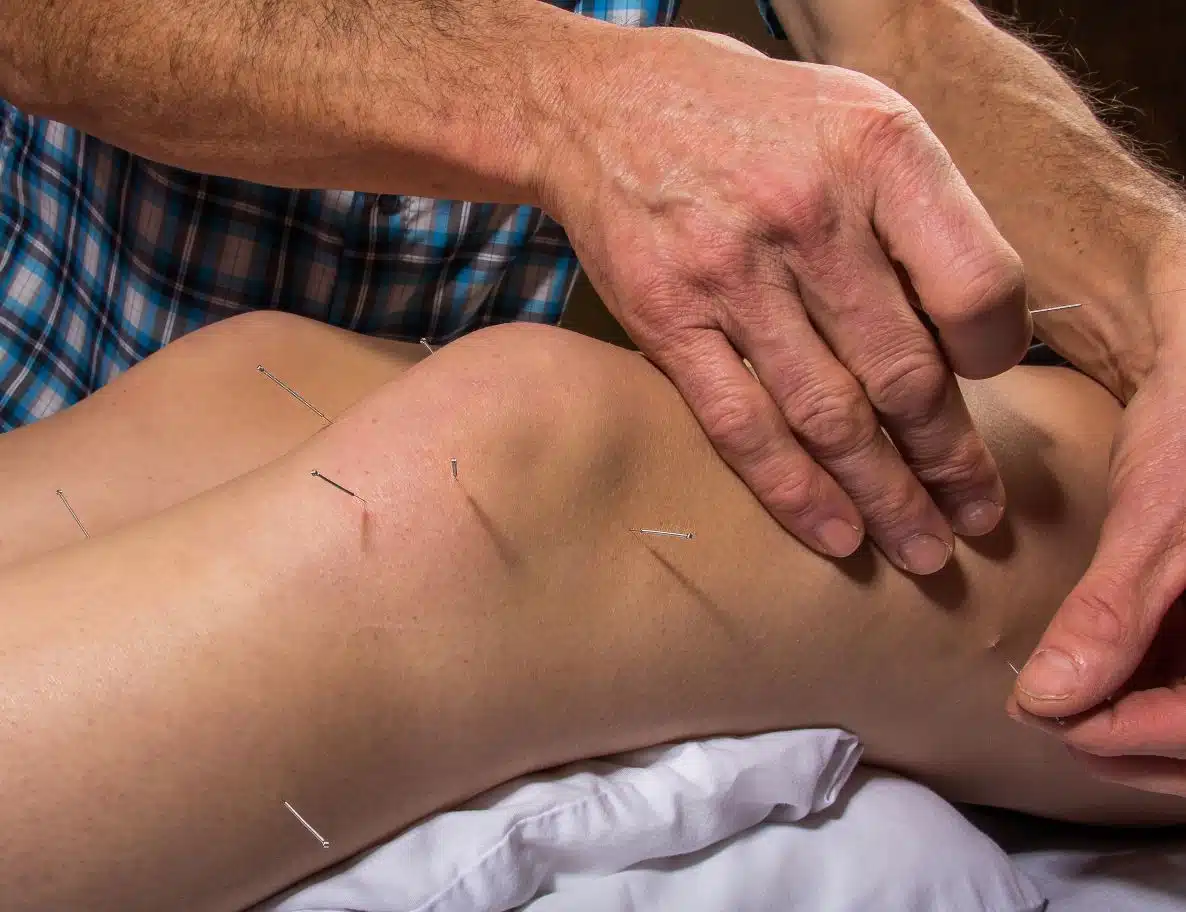
The micro-lesions created during a dry needling session stimulate your body to flush out stagnant, inflammatory waste products. Simultaneously, this process draws fresh, oxygen-rich blood into the damaged area. This localized circulation delivers the vital nutrients your cells require to rebuild damaged muscle and connective tissue. By optimizing the chemical environment around the injury, you experience less downtime. This proactive, preventative health measure ensures you can return to your regular workouts and daily routines much faster than relying on rest alone.
Stress and Tension Reduction
Physical pain and mental stress operate on a continuous, interconnected loop. High stress levels from a demanding career often cause you to unconsciously elevate your shoulders, tense your neck, and clench your jaw. Over time, these physical holding patterns create deeply embedded trigger points. Those muscular knots cause physical pain, which in turn drains your energy and elevates your mental frustration.
Dry needling effectively breaks this destructive cycle. By forcing the muscles to physically relax and let go of chronic guarding, the body releases deep-seated physical tension. Furthermore, the treatment stimulates the nervous system to release endorphins, which act as your body’s natural pain-relieving and mood-boosting chemicals. Many patients report a significant increase in their daily energy and a feeling of profound relaxation following a session. This direct connection to mental well-being makes the treatment an invaluable tool for maintaining a healthy work-life balance.
Physical pain and mental stress operate on a continuous, interconnected loop. High stress levels from a demanding career often cause you to unconsciously elevate your shoulders, tense your neck, and clench your jaw. Over time, these physical holding patterns create deeply embedded trigger points. Those muscular knots cause physical pain, which in turn drains your energy and elevates your mental frustration.
Dry needling effectively breaks this destructive cycle. By forcing the muscles to physically relax and let go of chronic guarding, the body releases deep-seated physical tension. Furthermore, the treatment stimulates the nervous system to release endorphins, which act as your body’s natural pain-relieving and mood-boosting chemicals. Many patients report a significant increase in their daily energy and a feeling of profound relaxation following a session. This direct connection to mental well-being makes the treatment an invaluable tool for maintaining a healthy work-life balance.
Conditions That May Benefit From Dry Needling
Dry needling is a technique used to treat a wide range of musculoskeletal dysfunctions. By targeting myofascial trigger points, it can alleviate pain and improve function for numerous specific conditions. Below is a detailed list of issues that may benefit from this therapeutic approach.
Spinal and Head Conditions
-
- Low Back Pain
- Upper Back Pain
- Neck Pain
- Arthritis
- Migraine Headaches
- Tension Headaches
- Cervicogenic Headache
- Other Types of Headaches
- Sciatica
- Sacroiliac Joint Dysfunction
- Piriformis Syndrome
- Whiplash
- Non-Cardiac Chest Pain – Costochondritis
- Temporomandibular Joint Disorders (TMJ) – Jaw Pain
Upper Extremity Conditions
-
- Shoulder Pain
- Rotator Cuff Syndrome
- Acromioclavicular (AC) Joint Pain
- Frozen Shoulder
- Medial Epicondylitis (Golfer’s Elbow)
- Lateral Epicondylitis (Tennis Elbow)
- Carpal Tunnel Syndrome (Wrist/Hand Pain)
- DeQuervain’s Syndrome
- Trigger Finger
Lower Extremity Conditions
-
- Hip Pain
- Hip Impingement
- Hip Osteoarthritis
- Greater Trochanteric Pain Syndrome
- Pulled Hamstring
- Groin Strain
- Knee Pain
- Patellofemoral Tracking Disorder
- Chondromalacia Patellae
- Patellar Tendinitis
- Knee Osteoarthritis
- Runner’s Knee
- Iliotibial Band Syndrome
- Shin Splints
- Posterior Tibial Tendinitis
- Calf Strain
- Achilles Tendinitis (Heel Pain)
- Plantar Fasciitis (Heel Pain)
Who Can Benefit from Dry Needling?
Dry needling is an exceptionally versatile treatment that benefits a wide variety of people:
- Professionals and Office Workers: Spending hours at a computer often leads to severe posture-related issues, particularly in the neck and shoulders. Dry needling releases the specific muscles affected by prolonged sitting.
- Athletes and Fitness Enthusiasts: Active individuals use this technique to speed up recovery between heavy training sessions and to treat minor sports injuries before they become major hurdles.
- Chronic Pain Sufferers: Those dealing with long-term conditions like sciatica, chronic tension headaches, or stubborn lower back pain often find relief here when other treatments have failed.
- Parents: Keeping up with young children requires physical stamina. Releasing muscle tension helps you maintain the energy and mobility needed for an active family life.
How does Dry Needling work with other soft tissue treatments?
Many health professionals discover that relying on a single treatment modality falls short. Combining specialized treatments offers a holistic, evidence-based path to sustainable recovery, helping you return to the activities you value most. These treatments will often occur on different days than dry needling. Each treatment works slightly differently, but one difference between dry needling and the other treatments is that dry needling works from the inside out as opposed to the outside in.
Integrating the Graston Technique
The Graston Technique utilizes medical-grade stainless steel instruments to detect and safely break down soft tissue fibrosis. It is remarkably effective for conditions involving tendons and broader fascial planes, such as plantar fasciitis or Achilles tendinopathy.
Graston instruments smooth out the superficial fascial layers across a wide surface area. Graston Technique is also effective at treating trigger point, but does so via compression instead of directly treating the trigger point.
The Pull of Cupping Therapy
Cupping therapy uses specialized cups on the skin to create a gentle vacuum. Instead of applying downward pressure, it uses negative pressure to actively lift the skin, fascia, and superficial muscle layers upward. Cupping provides a broad, decompressive lift that draws blood flow to the surface, while dry needling provides a pinpoint, compressive reset to the deepest muscular layers. Together, they dramatically increase circulation.
Pairing Dry Needling with Myofascial Release
Myofascial release applies sustained, gentle manual pressure to stretch and loosen the fascia—the web-like connective tissue encasing your muscles. Dehydrated or restricted fascia effectively traps underlying muscles, causing widespread, aching pain.
A practitioner uses myofascial release to warm the tissue and stretch the superficial connective web. Once the fascia becomes pliable, dry needling is used to penetrate the remaining deep, localized trigger points that manual pressure alone simply cannot reach. This combination works exceptionally well for treating chronic lower back pain and persistent tension headaches.
Accelerating Your Recovery Timeline
The primary advantage of combining dry needling with complementary soft tissue therapies is the sheer acceleration of the recovery process. Good posture also keeps the joints and bones aligned properly to ensure the muscles are being used the right way. It prevents joint surfaces from wearing out at an abnormal pace, a condition that could cause joint pains and degenerative arthritis.
Layering these holistic therapies allows you to effortlessly maintain the posture required to sit comfortably at a desk, reducing the physical toll of your professional life.
Is Dry Needling Safe?
When considering any new therapeutic intervention, especially one involving needles, questions about safety are natural and important. For health-conscious individuals seeking evidence-based solutions for pain, understanding the risks and safety protocols is a critical step. When performed correctly by a highly trained professional, dry needling is an extremely safe and effective method for treating musculoskeletal pain and dysfunction.
Let’s break down the safety measures, common concerns, and specific situations where this treatment may not be appropriate.
Safety Overview
The safety of dry needling is fundamentally tied to the practitioner’s level of expertise. Certified practitioners, such as chiropractors and physical therapists, undergo rigorous, specialized postgraduate training to master this technique. This education includes comprehensive instruction in human anatomy to ensure they can precisely locate trigger points while avoiding sensitive structures like nerves and arteries.
Furthermore, licensed practitioners adhere to strict hygiene protocols established by health authorities. This includes using sterile, single-use needles for every patient, which are promptly disposed of in a medical sharps container after the session. These measures eliminate the risk of infection or cross-contamination. Seeking out a licensed and experienced practitioner is the most important step you can take to ensure a safe and effective dry needling treatment.
Our office is unique in that Dr. Royer has also been certified to perform electrodiagnostic studies that include needle EMG. He has been using needles to diagnose muscle and nerve conditions since 2016.
Common Concerns
People often ask if the procedure hurts. You might feel a slight pinprick when the needle enters the skin, followed by a deep aching sensation or a brief cramping feeling when the muscle twitches. This discomfort is temporary and indicates that the treatment is working. Afterward, it is common to experience mild muscle soreness, similar to how you feel after an intense workout. This soreness typically resolves within 24 to 48 hours. Other possible side effects include minor bruising at the needle insertion site or a temporary feeling of fatigue.
Contraindications: When You Shouldn’t Get Dry Needling
While safe for most, dry needling is not appropriate for everyone. You should avoid this treatment if you:
- Have a severe, unmanageable fear of needles
- Suffer from bleeding disorders
- Pregnancy, especially during the first trimester. Throughout pregnancy, certain points on the body must be avoided entirely to prevent any risk to the mother or baby.
- Have a localized skin infection, open wound, or compromised tissue near the treatment area.
- Manage complex medical conditions like uncontrolled diabetes or severe vascular disease, unless explicitly cleared by your primary care physician.
- Been advised against it by a healthcare provider
Conclusion
Dry needling offers a powerful, holistic approach to pain management. By safely releasing deep muscular tension and stimulating your body’s natural healing processes, it provides sustainable relief from chronic pain and sports injuries. You do not have to let neck, back, or shoulder pain dictate your schedule or limit your family time.
If you want to explore how evidence-based treatments can improve your quality of life, we encourage you to book a consultation. We offer flexible appointments designed to accommodate your busy professional commitments, ensuring you get the personalized care you deserve exactly when you need it.