Between early meetings, school pickups, and squeezing in a workout before the day disappears, recovery is one of the first things that slips. When your schedule is packed, the small daily choices matter most, because they’re the ones you can actually sustain. Hydrogen water has become one of those choices worth understanding.
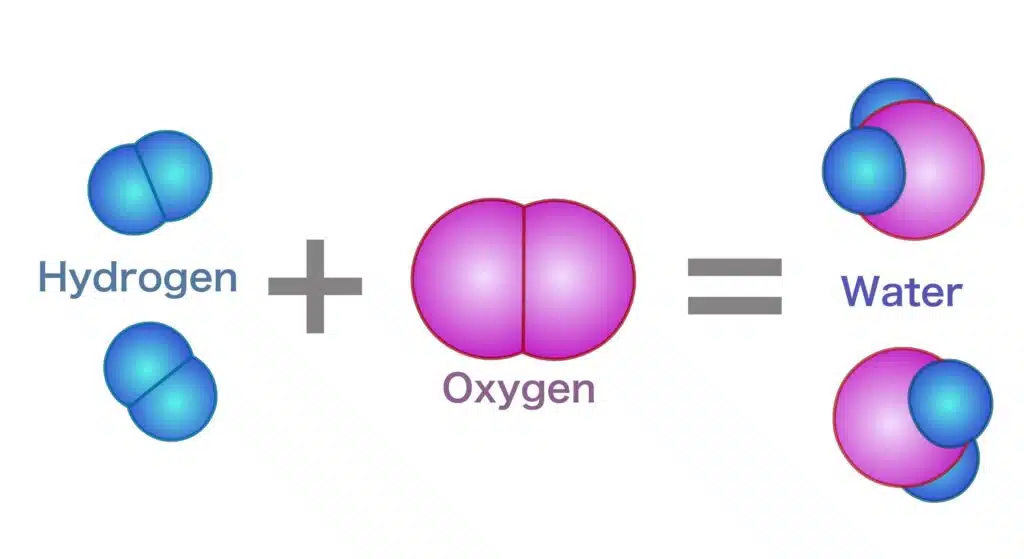
So what is it? Hydrogen water is simply ordinary water enriched with dissolved molecular hydrogen (H₂), one of the smallest molecules known to science. That tiny addition is what researchers find so interesting, since early evidence suggests it may support your body at the cellular level. But let’s be clear about one thing from the beginning. Hydrogen water is a supportive tool as a part of a healthy lifestyle, but it is not a quick fix or a standalone cure.
What You Need to Know About Hydrogen Water
Hydrogen water may support your natural antioxidant defenses, help calm inflammation, aid steady energy, and speed recovery after exercise. The research is very promising and still developing, so think of it as an emerging option rather than a proven miracle.
Here’s what to keep in mind at a glance:
It acts as a selective antioxidant, targeting the most harmful molecules.
Early research links it to reduced inflammatory markers.
It fits easily into a busy, preventative wellness routine.
Quality and hydrogen concentration matter far more than marketing claims.
The “so what?” is simple. Hydrogen water is a low-effort habit that is worth understanding before you spend a dime on it.
What Is Hydrogen Water? The Science Made Simple
First of all… yes, hydrogen is one thing that makes up water. However, molecular hydrogen (H₂) is tiny, light, and remarkably nimble. Because of its small size, it can diffuse easily across cell membranes and reach places larger antioxidant molecules struggle to access.
Think of H₂ as a master key. Many antioxidants can only open a few doors near the surface, but hydrogen slips into locks deep inside your cells, including the compartments where energy is produced and damage often begins. That reach is a big part of why scientists pay attention to it.
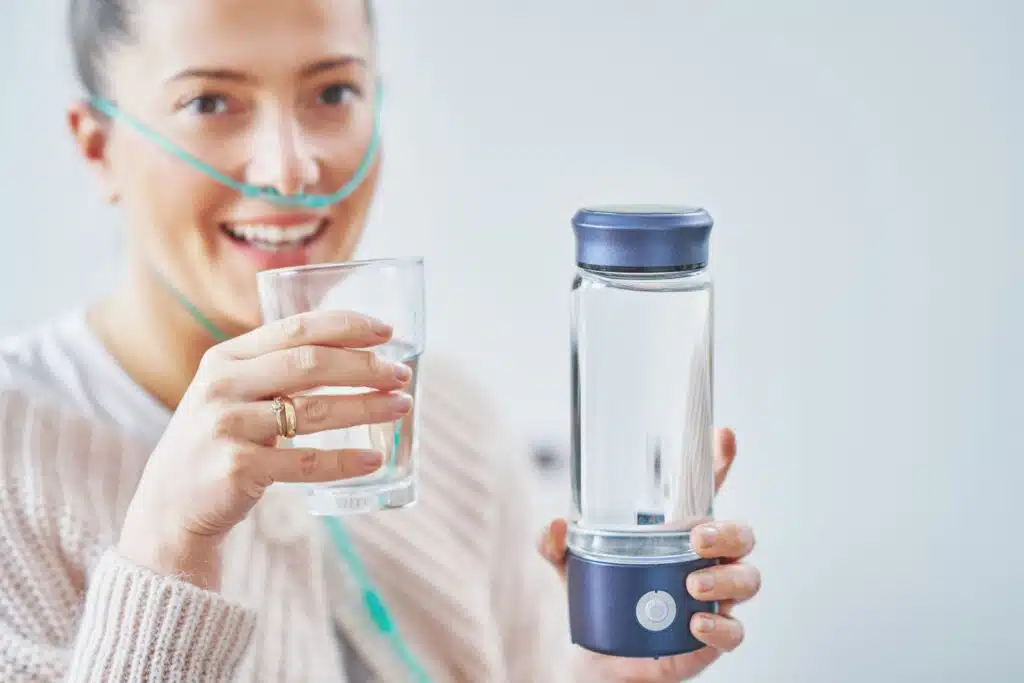
How does the hydrogen get into your water? Two common methods:
Electrolysis: a device runs a current through water to generate hydrogen gas.
Magnesium tablets: a tablet reacts with water to release H₂.
People can get molecular hydrogen into their body by inhaling it or ingesting it in hydrogen water. One important thing to know is that dissolved hydrogen escapes from hydrogen water over time, much like the fizz leaving an open soda. That’s why freshness and airtight packaging matter so much.
Targeted Antioxidant Support
Your cells generate free radicals every day, especially under stress or during intense exercise. In small amounts, these molecules are normal and even useful. The problem starts when there are too many, leading to oxidative stress that wears down your cells over time.
Here’s where hydrogen stands apart. It works as a selective antioxidant, meaning it neutralizes the most damaging free radicals, like hydroxyl radicals, while leaving the beneficial ones your body needs alone. Picture a precise cleanup crew rather than a blunt instrument that sweeps away everything.
Research also suggests hydrogen may nudge the body’s own Nrf2 pathway into action. Think of Nrf2 as a master switch that activates your natural antioxidant defenses, so your body does more of the protective work itself.
Calming Inflammation from the Inside Out
Chronic, low-grade inflammation sits behind many everyday complaints, from stiff shoulders to that nagging lower-back ache. It often builds slowly, which is why it’s easy to ignore until it starts limiting how you move.
If you spend long hours at a desk, this likely sounds familiar. Neck, shoulder, and lower-back tension are common results of sitting, screen time, and physical strain. Several studies indicate that hydrogen-rich water may help lower inflammatory markers in the body, including one 24-week trial in people with metabolic risk factors that showed improved inflammatory biomarkers.
This is where hydrogen water fits into a bigger picture. It works best alongside holistic habits you may already value, like stretching, yoga, mobility work, and hands-on care. One idea is to pair hydrogen water with your existing recovery routine and notice whether daily movement feels a little more comfortable over a few weeks.
More Energy, Less Afternoon Fatigue
That mid-afternoon slump is almost a rite of passage for busy professionals. To understand why hydrogen water might help, it helps to know about your mitochondria, the small structures inside your cells that act as energy factories.
These factories are also where a lot of oxidative stress occurs. By helping protect mitochondria from that stress, hydrogen water may support steadier energy throughout the day.
Let’s be honest about the limits, though. Hydrogen water won’t replace good sleep, balanced nutrition, or regular movement. Nothing does. It’s one supportive piece of a sustainable energy routine, not a substitute for the fundamentals.
Faster Athletic Recovery
Progress doesn’t happen during your workout. It happens during recovery, when your body repairs and adapts. For anyone using exercise as stress relief, that recovery window is where the real payoff lives.
Some research on athletes shows that hydrogen water may reduce muscle fatigue and speed recovery after strenuous activity. That could mean less soreness standing between you and your next session, and a smoother return to the movement you count on to unwind.
If you’d like to test it, timing may help. Try drinking it around your workouts, before, during, or shortly after, and treat it as an experiment rather than a guarantee. Your results are your best evidence.
Supporting Long-Term Cellular Health
Because hydrogen works at such a small scale, its benefits are foundational rather than flashy. It’s not about a dramatic overnight change; it’s about protecting the building blocks of how you feel and function.
Frame it as preventative care, the same mindset behind good sleep and consistent movement. The value builds quietly and cumulatively. For professionals thinking about healthy aging and metabolic wellness, that forward-looking approach fits naturally.
The key word is sustainability. Benefits accumulate over months and years, which is exactly why a low-effort habit is worth considering. You should view hydrogen water as a long-term investment in how you’ll feel down the road, not a one-week trial.
How to Choose and Use Hydrogen Water
Not all hydrogen water is created equal, and knowing the differences protects both your health and your budget.
Ways It’s Made
Tablets or Powder: Affordable and portable, and you make each glass fresh. The tradeoff is remembering to use them consistently and honestly, the taste can be an issue.
Pre-packaged Cans: Convenient and grab-and-go, but hydrogen can dissipate before you drink it if packaging isn’t airtight. Since you have to pay for the packaging and water, this is the most expensive option long term.
Machines or generators: Higher upfront cost, yet they deliver fresh, high-concentration water on demand, which suits regular daily use.
What to Look for in a Quality Consumable Product
When it comes to cans of hydrogen water, it makes sense to have a quality product.
Hydrogen concentration: Look for a stated concentration, often measured in parts per million.
Packaging that preserves gas: Airtight aluminum pouches or cans hold hydrogen far better than standard plastic.
Freshness and testing transparency: Reputable brands share third-party testing and clear production dates.
Misleading claims to watch for: Be skeptical of cure-all promises or vague “energy-boosting” language with no data behind it.
When should you Consider a Hydrogen Water Bottle?
Tablets can be an affordable way to get into using hydrogen water, but there comes a point that hydrogen water bottles are more affordable. It depends on how many drink per day you have but it would take about 4.5 months of drinking the Echo Hydrogen Prebiotic Drink Mix twice a day to equal the cost of the ECHO Flask Hydrogen Water Bottle.
How to Use It Well
Drink it fresh, ideally soon after opening or making it, since dissolved hydrogen escapes quickly once exposed to air. Typical use is one to two servings a day, and timing around workouts or high-stress days may offer added value
Hydrogen Water vs. Alkaline Water
These two often get confused, so let’s clear it up. Alkaline water simply has a higher pH than regular water. Hydrogen water contains dissolved molecular hydrogen, which is a completely different property.
The distinction matters. Much of the research interest centers on the hydrogen content, not the pH. A drink can be alkaline without carrying meaningful amounts of H₂, and hydrogen water isn’t necessarily high in pH.
If you’re skeptical, that’s healthy. The practical takeaway is to look at what’s actually dissolved in the water, not the buzzword on the front of the bottle.
Common Questions (Mini FAQ)
Is hydrogen water safe?
For most healthy adults, hydrogen water has a strong safety profile and no known serious side effects. That said, if you’re pregnant, managing a chronic condition, or taking medication, check with a healthcare professional before adding anything new to your routine.
How long before I notice a difference?
Set realistic expectations. Any changes tend to be subtle and build with consistency, so give it several weeks rather than judging after a single day. Everyone responds differently.
What’s the biggest mistake to avoid?
Treating it as a cure, or overpaying for a low-quality product that’s lost its hydrogen before you drink it. Focus on freshness, concentration, and consistent use instead of hype.
Best Practices Checklist
Choose a product with a verified hydrogen concentration and airtight packaging.
Drink it fresh, soon after opening or making it.
Shaking, stirring or blending will reduce the amount of dissolved molecular hydrogen in the water.
Pair it with hydration, sleep, nutrition, movement, and stress management.
Track how you feel over several weeks, not a single day.
Treat it as one supportive tool, never a replacement for proven habits.
Conclusion + Next Step
Hydrogen water is an easy, low-risk addition that may support your antioxidant defenses, help calm inflammation, aid steady energy, and speed recovery. The evidence is encouraging and still growing, which is exactly why it’s worth approaching with curiosity and realistic expectations. It works best not on its own, but inside a broader, holistic wellness plan.
That brings us back to where we started: small, sustainable choices that actually fit a busy life. Hydrogen water is one of those choices, and it asks very little of your time.
Ready to try it? Pick one quality format, commit to it for two to three weeks, and note any changes in your energy, comfort, and recovery.
Ready to Try Hydrogen Water? Here’s the One I Recommend
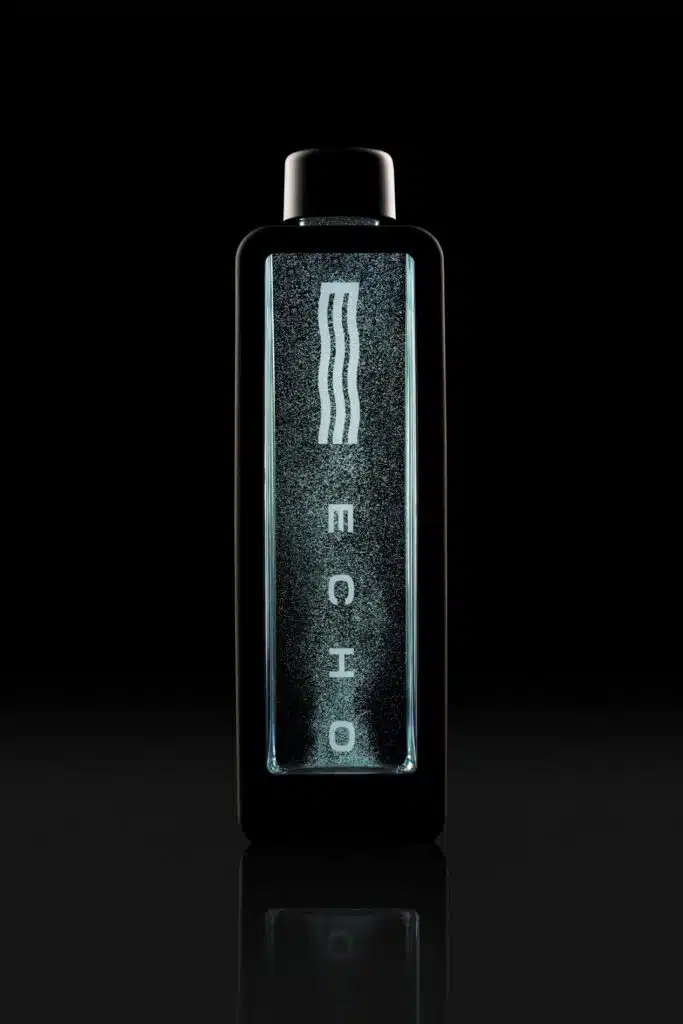
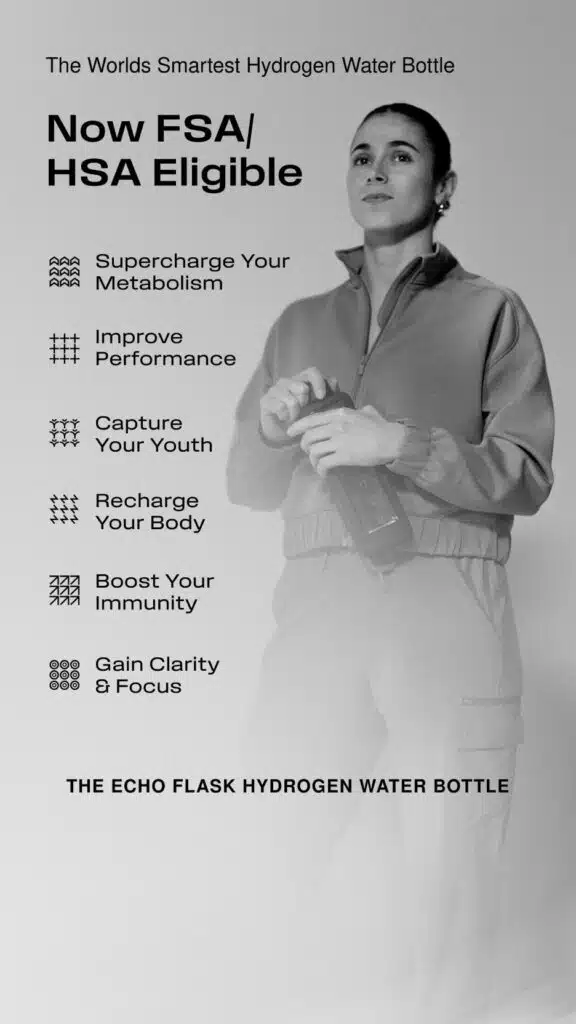
If you’ve read this far, you already know that quality and hydrogen concentration matter far more than the label on the bottle. That’s exactly why I want to point you toward the Echo Flask, the one hydrogen water bottle I feel comfortable recommending to busy professionals who want real results, not marketing hype. Don’t get me wrong as they will market the heck out of it.
A quick, honest note: The link below is an affiliate link, which means I may earn a small commission if you purchase through it, at no extra cost to you. I’m sharing it for one simple reason: I don’t want you spending your money on an inferior product that under-delivers on hydrogen or, worse, introduces harmful byproducts into your water. If you’re going to invest in this habit, invest in one that actually works. Alibaba is not the place to go for your health.
Why the Echo Flask Earns the Recommendation
A big part of building trust is looking at who else takes a product seriously. The Echo Flask has been recognized by major outlets including Forbes, ABC, NBC, CBS, Fox News, Women’s Health, and it’s endorsed by doctors and researchers in the molecular hydrogen space. That kind of visibility doesn’t guarantee quality on its own, but paired with independent testing, it tells you this isn’t a fly-by-night gadget.
I have previously had bought the tablets for a different brand and I was not a fan of the taste and did not like that the hydrogen bubbles were not under pressure in a bottle. I felt that using the tablet in an open cup was wasting some molecular hydrogen that could get dissolved into the water. But like I said, the taste was not great, so I decided to get a flask. Echo does have a Hydrogen Prebiotic Drink Mix, which I have not tried yet. It apparently has a Crisp Apple flavor, so that might make it palatable.
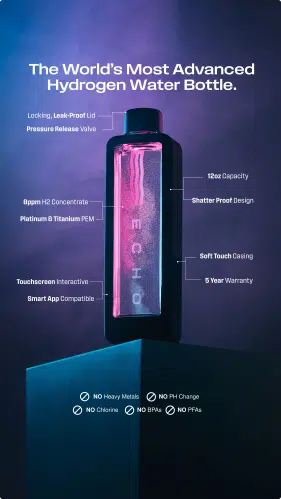
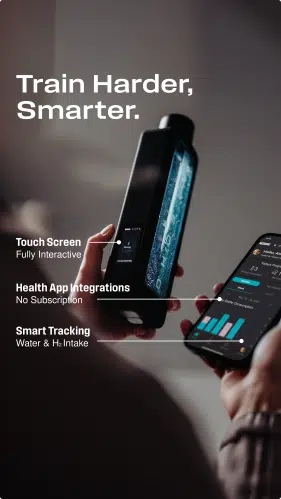
So, my first flask worked well and seemed to be very solid, but it only held about 6.4 fl. oz. of water (about 190 mL). A couple sips and it was gone and you were still thirsty. With the Echo Flask being twice as big, it takes a little longer to process, but you get more molecular hydrogen per bottle. The LCD touchscreen is easy to work and shows you how many parts per million should be in the bottle as it is running. The Echo Flask also pair with your smart phone and can connect to your Health apps to help you keep track of your hydration stats overtime. Overkill? Probably, but my old flask had one button, no instructions and did not have any way to run a cleaning cycle
Psoas tendonitis—also called iliopsoas tendinopathy—is an irritation or inflammation of the iliopsoas tendon that causes deep groin pain in runners. It develops from repetitive hip flexion, training errors, and muscle imbalances. With structured rehabilitation across...
You know the feeling. The first mile feels great, but after you put some miles in, a dull ache settles into your lower back. By the time you finish, you're walking a little stiff, wondering if this is just part of getting older or if something's actually wrong. As a...
Stand up for a moment and close your eyes. Notice how your body automatically makes tiny adjustments to keep you upright. You do not have to consciously tell your brain to balance. Your nervous system handles it for you, relying heavily on a structure right at the...
A Lateral Ankle Sprain can happen in a split second. You’re coming down from a rebound during a pickup basketball game, or maybe you simply stepped off a curb wrong while rushing to a meeting. Your foot twists inward, and you feel that familiar, sharp pain on the...
An adductor strain, often called a groin pull, is a common injury that can sideline even the most conditioned athletes. This sharp, sudden pain on the inside of the thigh occurs when the adductor muscles are stretched or torn. While particularly prevalent in sports...
Ankle and foot pain can be a persistent and frustrating problem, often misdiagnosed as more common conditions like plantar fasciitis. When the discomfort involves burning, tingling, or numbness along the inside of your ankle or the bottom of your foot, you may be...