
Foot Tripod: The Foundation of Stability
Stand up for a moment and close your eyes. Notice how your body automatically makes tiny adjustments to keep you upright. You do not have to consciously tell your brain to balance. Your nervous system handles it for you, relying heavily on a structure right at the base of your body: the foot tripod.
Most people never think about the mechanics of their feet until something hurts. However, your feet serve as the primary anchors connecting you to the ground. The foot tripod is a specific anatomical concept that explains how we maintain stability, absorb shock, and generate power.
When this tripod functions properly, your body moves efficiently and without pain. When it breaks down, it can cause a ripple effect of dysfunction all the way up your spine.
Anatomy of the Foot Tripod
To understand how the foot provides stability, we must look at its structural design. Think of a camera tripod. A camera tripod uses three distinct points of contact to establish a perfectly stable base on any surface. Your foot operates on the exact same mechanical principle.
The foot tripod consists of three primary contact points on the bottom of your foot:
- The 1st Metatarsal Head: This is the padded area directly underneath your big toe on the ball of your foot. It provides the primary lever for pushing off when you walk or run.
- The 5th Metatarsal Head: This is the padded area directly underneath your pinky toe on ball of foot. It helps control lateral side-to-side balance.
- The Calcaneus: This is your heel bone. It serves as the primary shock absorber when your foot strikes the ground.
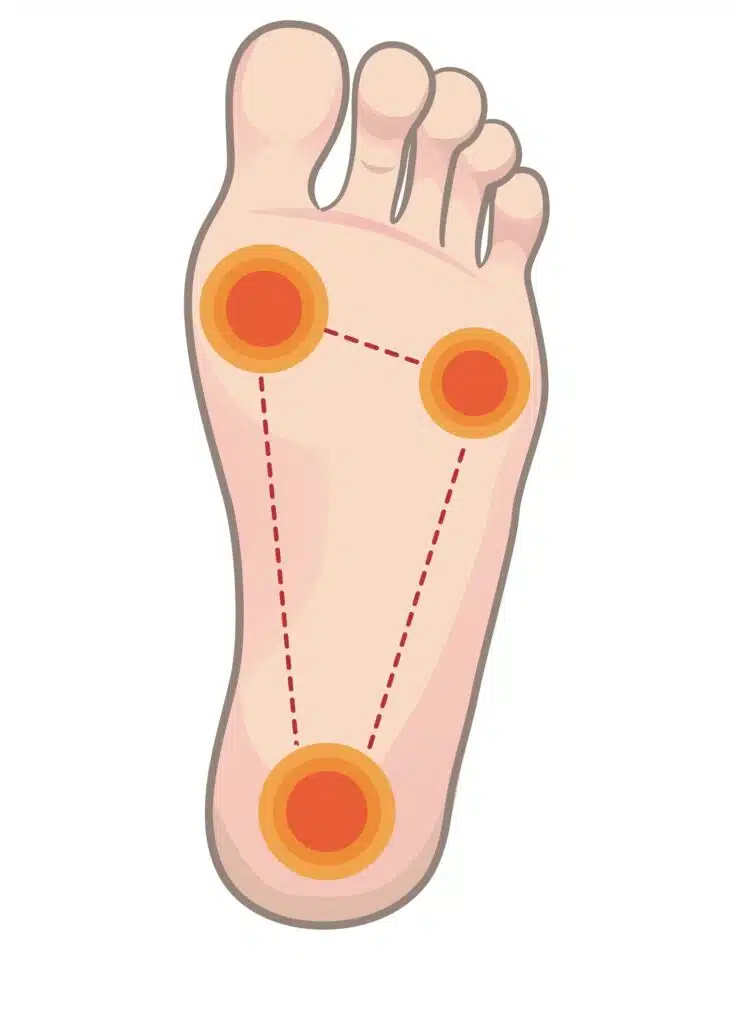
When you stand, your weight should distribute evenly across these three points. This creates a stable arch and a strong base of support.
Beyond bones and ligaments, your foot is an incredibly complex sensory organ. The soles of your feet contain over 8,000 nerve endings. These nerves constantly read the ground beneath you, sending rapid-fire signals to your brain about texture, slope, and pressure. This rich nerve density makes the foot tripod vital for physical awareness and stability.
Foot Tripod Functionality: More Than Just Standing
The foot tripod does much more than keep you from falling over. It plays a critical role in how your entire body moves and functions.
Proprioception and the Nervous System
Proprioception is your body’s ability to sense its position in space. Because of the massive amount of nerve endings in your feet, the foot tripod acts as the primary sensory gatekeeper for your Autonomic Nervous System (ANS). When your brain receives clear signals from the three points of the tripod, it feels safe. It responds by relaxing unnecessary muscle tension and allowing for fluid, coordinated movement. People who live in shoes all the time tend to rob their brain of important proprioceptive information.
Postural Alignment
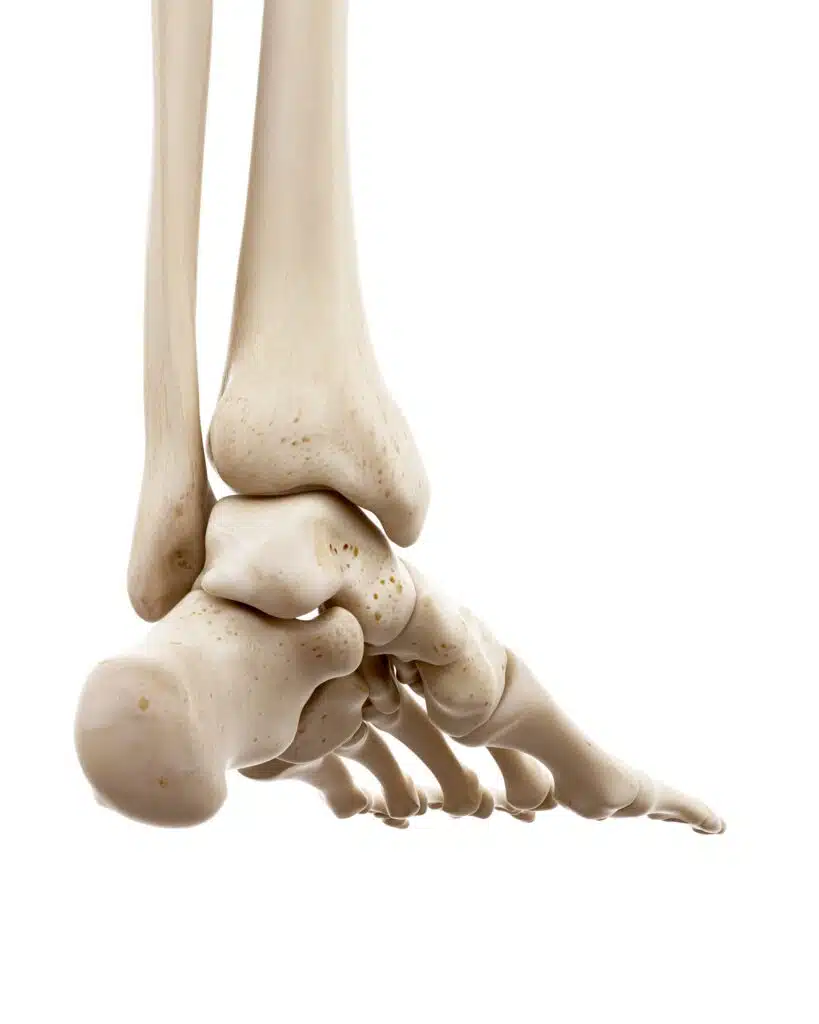
Good posture keeps the joints and bones aligned properly to ensure the muscles are being used the right way. It prevents joint surfaces from wearing out at an abnormal pace, a condition that could cause joint pains and degenerative arthritis. Your posture begins at the foot tripod. If your weight collapses inward (pronation) or rolls outward (supination) past the tripod’s boundaries, your knees, hips, and lower back must shift out of alignment to compensate.
Development and Training the Foot Tripod
We are not born walking. We must earn the right to stand upright through a sequence of developmental milestones. During these early stages of development, a baby naturally learns to grip the ground using the foot tripod. They learn to activate the muscles of the foot, ankle, and lower leg to establish a strong anchor.
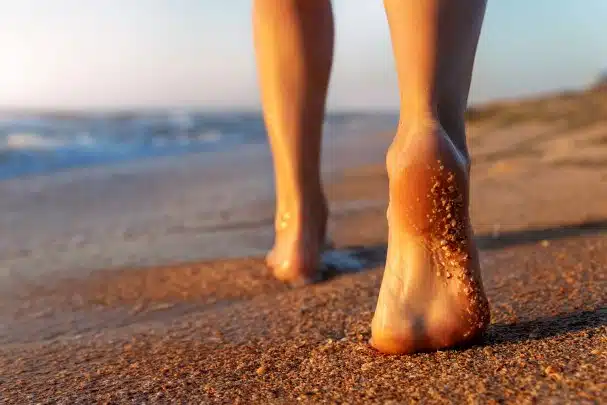
As adults, we often lose this natural ability. Sitting in chairs all day, wearing narrow shoes, and walking on flat, artificial surfaces dulls the nervous system’s connection to the feet.
Training the tripod involves reinstating the body’s original movement code. This means doing barefoot exercises to actively feel the 1st metatarsal, 5th metatarsal, and calcaneus pressing into the floor. By practicing this conscious engagement, you can remind your nervous system how to properly anchor the body.
Common Issues and Consequences
When the foot tripod breaks down, it causes abnormal foot biomechanics and the structural integrity of your entire body suffers. This breakdown usually stems from a combination of past injuries and progressive muscle weakness.
Causes of Foot Tripod Dysfunction
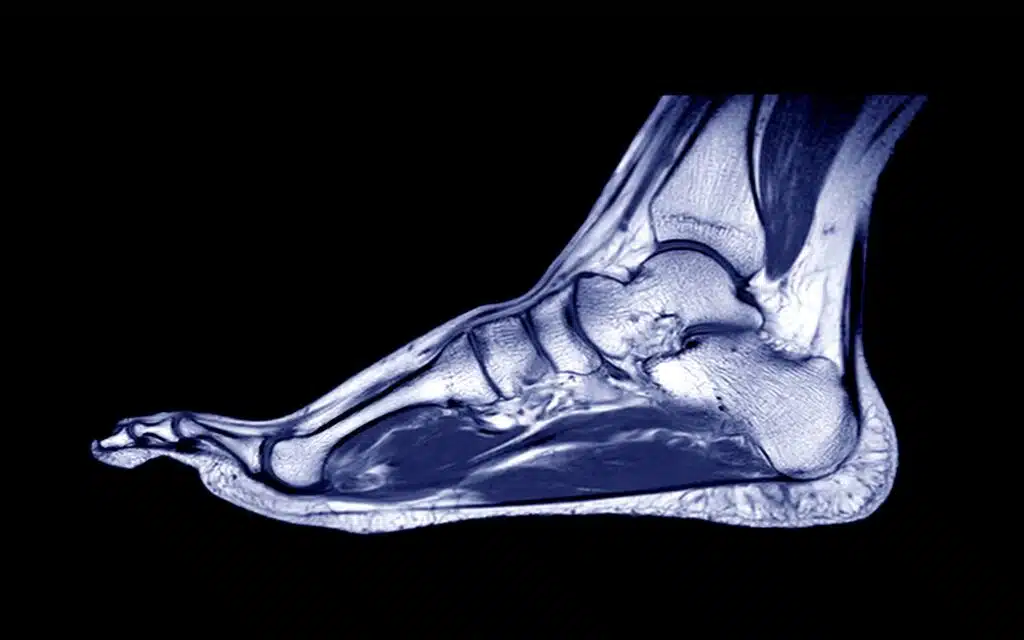
A previous injury, such as a badly sprained ankle, can permanently alter your biomechanics if not rehabilitated correctly. To avoid pain, your body alters its weight distribution, shifting away from a balanced tripod. Over time, the intrinsic muscles of the foot weaken. When these muscles lose their strength, the arch collapses, and the foot loses its ability to absorb shock.
The Painful Consequences
A weak or dysfunctional foot tripod forces other tissues to do work they were not designed to do. This leads to a host of common physical ailments:
- Plantar Fasciitis: When the arch lacks muscular support, the thick band of tissue on the bottom of the foot (the plantar fascia) takes on too much tension and becomes inflamed. A night splint makes the symptoms feel better in the morning after wearing it all night, because the plantar fascia is already stretched before your foot hits the ground first thing in the morning. However, addressing the tripod is necessary for long-term correction.
- Bunions and Hammer Toes: Poor weight distribution forces the toes into unnatural angles, eventually causing painful bony deformities.
- Knee and Back Pain: If the foot collapses inward, the shin bone rotates inward, putting extreme stress on the knee joint and the lower back.
Assessment and Treatment of the Foot Tripod
Fixing foot tripod dysfunction and restoring normal foot biomechanics requires more than just buying expensive insoles. It requires a comprehensive approach to restore joint mobility and muscle function.
Proper Foot Examination
A thorough examination looks at how your foot behaves under load. A practitioner will assess your alignment, test the flexibility of your ankle joint, and evaluate the strength of the intrinsic foot muscles. They will also look at how your foot interacts with your knee and hip during movements like squatting or walking.
Effective Treatments
I help people with a multitude of sports injuries, frozen shoulder, and runner’s knee using not only chiropractic adjustments but a handful of other techniques to help get people better.
Treating tripod dysfunction typically involves manual therapy to the joints and soft tissue of the foot and ankle.
- Chiropractic Adjustments: Chiropractic adjustments are an extremely safe and effective method of restoring proper motion to the small bones of the foot. When the joints move freely, the muscles can fire correctly.
- Soft Tissue Therapy: Modalities like the Graston Technique and dry needling help break down scar tissue and relieve tension in the plantar fascia and calf muscles.
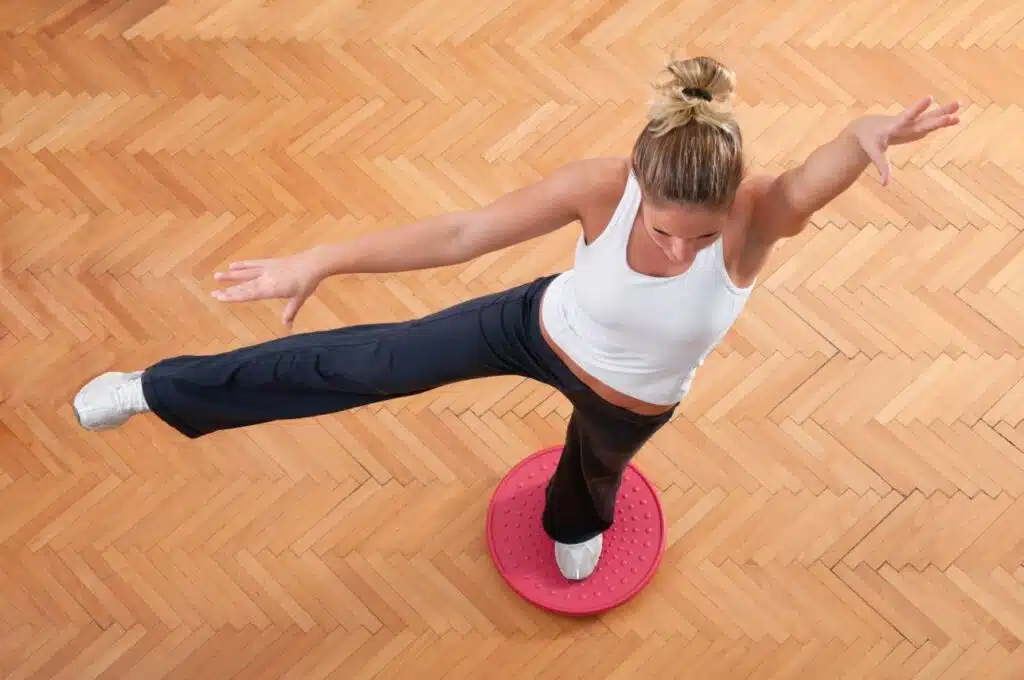
- Targeted Activation: Once normal joint mechanics are restored, specific corrective exercises are prescribed. These exercises focus on strengthening the biomechanical weaknesses, teaching you how to actively engage the three points of the tripod and build a resilient arch.
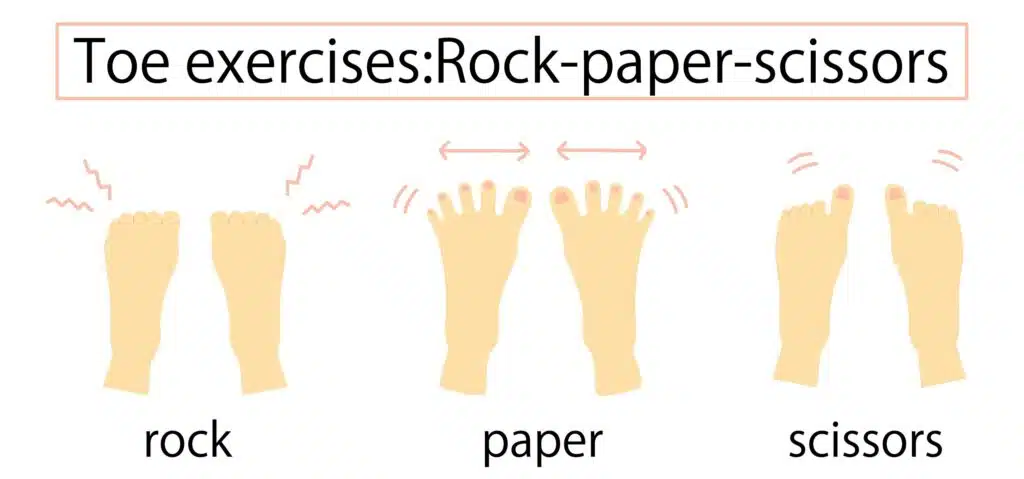
Exercises for the foot
For much more information on strengthening the foot, click the link below.
Conclusion
Your foot tripod is the fundamental base of your body’s structural stability. The simple act of distributing your weight properly between the heel, the base of the big toe, and the base of the pinky toe has profound implications for your nervous system and your posture.
When you lose this balanced connection to the ground, chronic pain and movement limitations often follow. By taking a proactive approach to foot health through proper assessment, manual therapy, and targeted muscle activation, you can rebuild a strong foundation from the ground up. Take the time to kick off your shoes, feel the ground beneath you, and start training your feet for a healthier, pain-free life.
Insurance Accepted
Harmony Chiropractic Center, Inc. accepts several types of insurance. For those who do not have chiropractic coverage on their insurance or those that wish to see Dr. Royer as an out-of-network doctor, the services are reasonably priced. Occasionally, the insurance companies that we accept have plans that have no chiropractic coverage.
Please remember that verifying your insurance benefits is ultimately your responsibility. Occasionally, the information that we are given by the insurance company is not accurate so it is always good to double check. Harmony Chiropractic Center, Inc. will also contact your insurance company to find out your insurance benefits but payment is still your responsibility, regardless of your benefits.
Harmony Chiropractic Center, Inc. currently accepts the following insurance plans:
- Aetna
- Medical Mutual of Ohio
- Paramount
- FrontPath Health Coalition
- Humana
- Meritain Health
- Medicare
- Ohio Bureau of Worker’s Compensation
- Automobile Insurance (in case of Motor Vehicle Collisions)
- Personal Injury Cases
Harmony Chiropractic Center, Inc. does NOT accept the following insurance plans:
- Anthem Blue Cross Blue Shield
- Cigna
- American Chiropractic Network (ACN)
- United Health Care
- Optum
- Medicaid
- American Specialty Health Network (ASHN)
We will bill insurance for you but it is your responsibility to pay as you go if you have an insurance that we do not accept.
Certain insurances that we do accept have policies that do not cover chiropractic care.
Payment Options
Your payments may be made by cash, check or credit card. Visa, MasterCard, American Express and Discover accepted.
Please call the office at 419.517.5055 if you do not see your insurance listed above. You can also go to the website listed on your card to verify if Dr. Bryan D. Royer is in-network.


NOTICE OF PRIVACY POLICY FORM
In the New Patient Forms, there is a place to sign that you had the opportunity to view our Notice of Privacy Policy. Below is our Notice of Privacy Policy Form referenced in your New Patient paperwork. If you want to view the document and/or print a copy for your records, you may do so below.
No Surprises Act
For our information on the No-Surprises Act, click here.