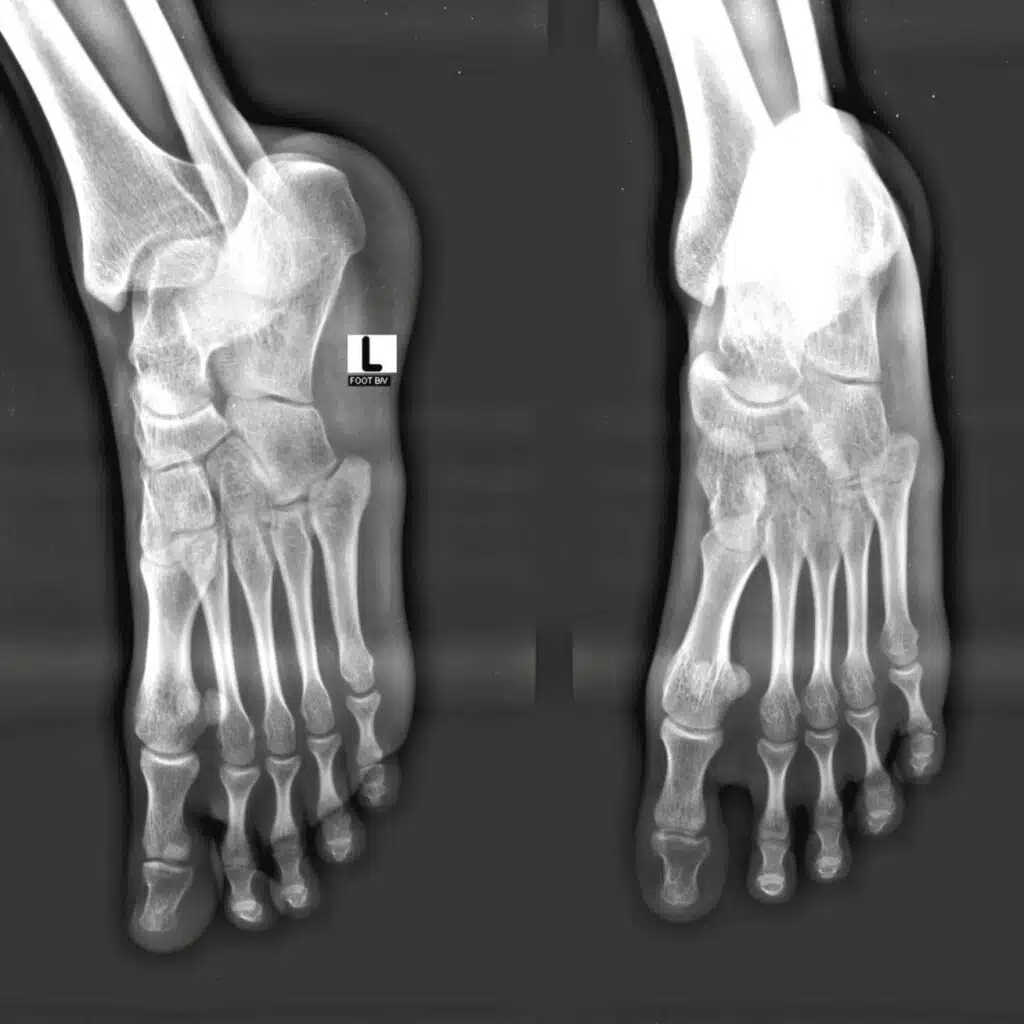
Ankle and foot pain can be a persistent and frustrating problem, often misdiagnosed as more common conditions like plantar fasciitis. When the discomfort involves burning, tingling, or numbness along the inside of your ankle or the bottom of your foot, you may be dealing with something different: Tarsal Tunnel Syndrome. This condition is a compression neuropathy, similar in nature to carpal tunnel syndrome in the wrist, but affecting the tibial nerve as it passes through a narrow space in your ankle called the tarsal tunnel.
Failing to get an accurate diagnosis and effective management for Tarsal Tunnel Syndrome can lead to chronic pain and significant dysfunction, limiting your ability to walk, run, or even stand comfortably. Early intervention is key to preventing the nerve compression from causing lasting damage.
What is Tarsal Tunnel Syndrome?
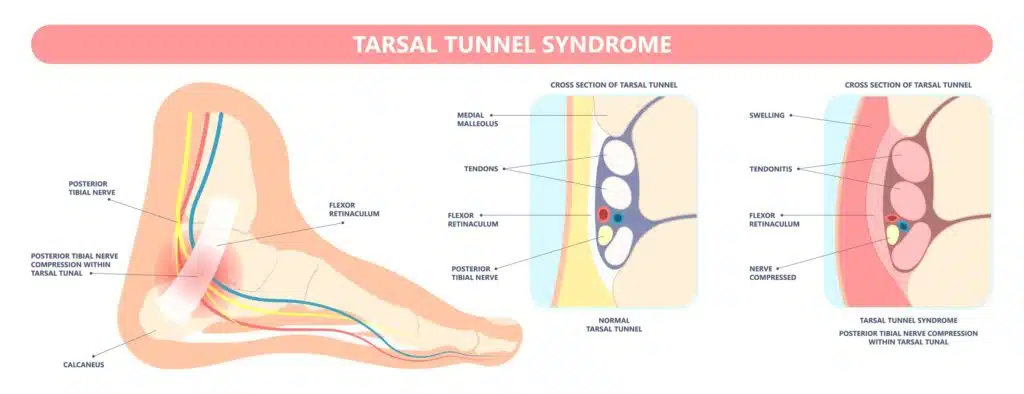
Tarsal Tunnel Syndrome is a condition that occurs when the posterior tibial nerve, which runs along the inside of the ankle and into the foot, becomes compressed. This compression takes place within a narrow passageway called the tarsal tunnel. This tunnel is formed by the ankle bones and a thick ligament known as the flexor retinaculum. The posterior tibial nerve shares this space with several tendons, arteries, and veins that are essential for foot function. When this space becomes crowded or inflamed, pressure is placed on the nerve, leading to the symptoms of Tarsal Tunnel Syndrome.
Several factors can contribute to the development of this condition. The causes and risk factors often relate to anything that narrows the tarsal tunnel, including:
Abnormal Foot Structure: Individuals with flat feet (excessive pronation) or a valgus deformity (where the heel angles outward) are more susceptible. These structural issues can stretch and compress the tibial nerve over time.
Trauma or Injury: A previous ankle sprain or fracture can lead to inflammation and swelling within the tunnel, causing nerve compression.
Systemic Diseases: Conditions like arthritis or diabetes can cause swelling and inflammation that contribute to Tarsal Tunnel Syndrome.
Space-Occupying Lesions: Benign growths such as varicose veins, ganglion cysts, or bone spurs can take up space within the tarsal tunnel and impinge on the nerve.
Overuse: Repetitive stress from activities like running or prolonged standing can lead to inflammation and subsequent nerve compression.
Common symptoms of Tarsal Tunnel Syndrome include sharp, shooting pains, numbness, tingling, or a burning sensation. This discomfort is typically felt along the inside of the ankle and the bottom of the foot, often radiating into the heel, arch, and sometimes the toes. Symptoms may worsen with activity or after long periods of standing and can even be present at night.
Why Tarsal Tunnel Syndromeis Often Misdiagnosed
One of the greatest challenges concerning Tarsal Tunnel Syndrome is that it is frequently misdiagnosed. Its symptoms bear a strong resemblance to more common foot ailments, like plantar fasciitis and heel spurs. Both conditions can cause significant heel and arch pain, leading to confusion for both patients and clinicians who are not trained to look for nerve-related issues.
For example, the sharp pain in the heel experienced with Tarsal Tunnel Syndrome can be easily mistaken for the classic morning pain of plantar fasciitis. However, a key difference is that plantar fasciitis pain often improves after a few minutes of walking, whereas Tarsal Tunnel Syndrome pain may worsen with activity. The presence of neurological symptoms like tingling, burning, or numbness is a primary indicator that the issue may be nerve-related rather than purely musculoskeletal.
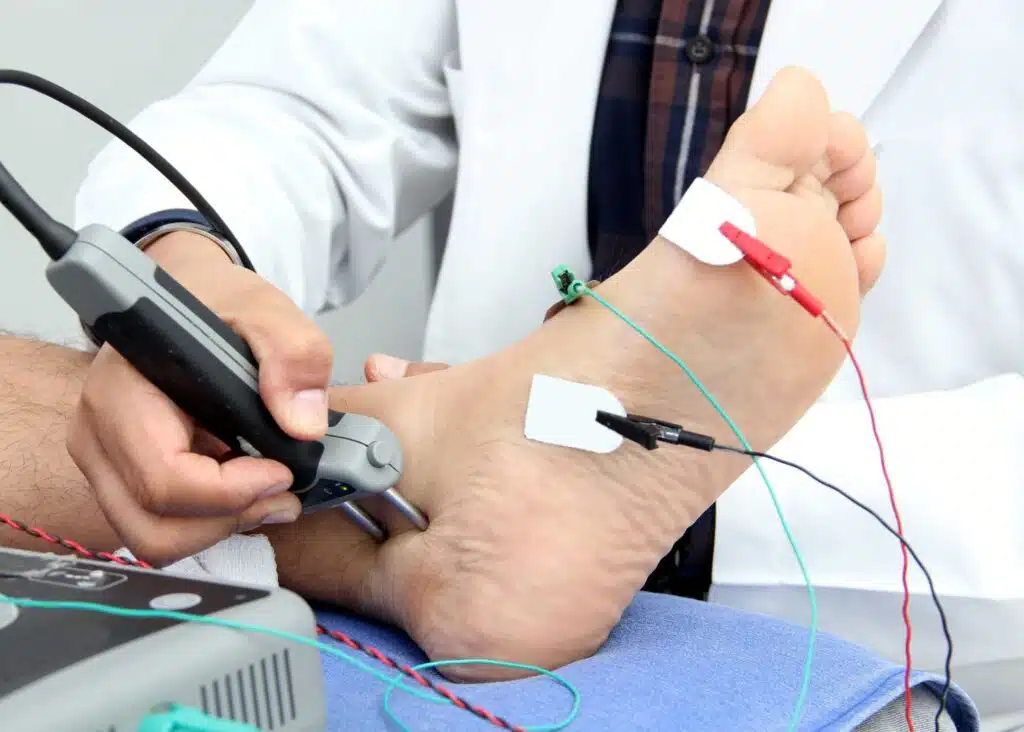
This is why a thorough clinical evaluation is so important. A detailed examination includes a comprehensive assessment of the foot and ankle’s biomechanics, specific orthopedic tests to provoke nerve symptoms (like Tinel’s sign, which involves tapping over the nerve), and a detailed history of your symptoms. This careful and precise diagnostic process ensures the root cause of your pain is identified, allowing for a targeted and effective treatment plan.
Why Choose a Sports Medicine Chiropractor?
When faced with a complex nerve condition like Tarsal Tunnel Syndrome, selecting the right healthcare provider is a critical decision. The goal is not just to manage the pain but to address the underlying cause and restore long-term function. Chiropractic care, particularly from a practitioner with a sports medicine focus, offers a uniquely effective and comprehensive strategy for achieving this.
Chiropractor s are often associated with spinal adjustments, but their expertise extends much further. As doctors trained in the intricate mechanics of the entire musculoskeletal system, they are exceptionally well-equipped to manage nerve-related conditions like Tarsal Tunnel Syndrome. For active individuals and athletes, a chiropractor with a specialty in sports medicine provides an even greater level of care. These professionals have advanced training in the biomechanics of movement and the specific demands that physical activity places on the body.
Specialized Knowledge in Biomechanics: A sports chiropractor analyzes how you move. For someone with Tarsal Tunnel Syndrome, they can evaluate running form, walking gait, and foot-strike patterns to identify mechanical flaws that may be compressing the tibial nerve. This detailed analysis allows for highly specific corrective interventions that a general practitioner might overlook.
Tailored Treatment Plans for Active Individuals: An athlete’s goals are different from those of a sedentary person. The focus is on returning to sport safely and preventing re-injury. A sports chiropractor designs treatment plans with these goals in mind. The plan will not only aim to resolve the symptoms of Tarsal Tunnel Syndrome but also to enhance performance, improve foot and ankle stability, and build resilience against future injuries. This ensures you can get back to your active lifestyle with confidence.
Effective Treatments for Tarsal Tunnel Syndrome
A correct diagnosis is the first step, but a comprehensive treatment plan is what truly facilitates healing. For Tarsal Tunnel Syndrome, a sports chiropractor employs a combination of advanced, non-invasive therapies designed to address the specific cause of the nerve compression. This multi-faceted approach ensures that treatment is not just about temporary symptom relief, but about restoring function and preventing recurrence.
The goal is to reduce pressure on the tibial nerve by addressing soft tissue restrictions, improving foot biomechanics, and promoting cellular healing. Here are some of the highly effective treatments used to accomplish this.
1. Graston Technique
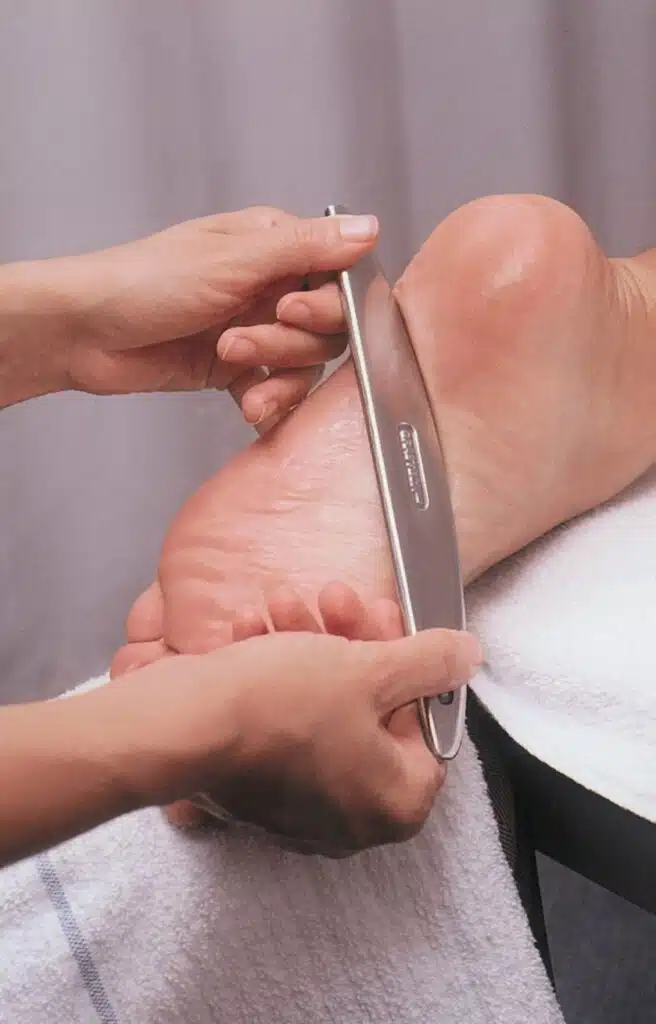
The Graston Technique is a form of instrument-assisted soft tissue mobilization (IASTM) that allows clinicians to detect and treat scar tissue and fascial restrictions. For Tarsal Tunnel Syndrome, this is particularly beneficial. When soft tissues around the ankle become fibrotic or develop adhesions from overuse or a past injury, they can restrict movement and contribute to nerve compression.
Using specially designed stainless steel instruments, a healthcare provider can effectively break down this problematic scar tissue. This process helps to restore normal tissue texture and function, reducing the tension around the tarsal tunnel. By releasing these restrictions, the Graston Technique can directly alleviate pressure on the tibial nerve, improving its ability to function without irritation.
2. Cupping Therapy
Cupping therapy is an ancient practice that has found a firm place in modern soft tissue treatment. By placing cups on the skin and creating a vacuum, this therapy lifts the underlying tissue. This suction effect helps to increase blood flow to the area, which is vital for healing.
In the context of Tarsal Tunnel Syndrome, cupping is used around the ankle and calf to break down fascial restrictions in a different way, relieve muscle tension and reduce inflammation. The increased circulation helps to flush out inflammatory substances that may be irritating the nerve. Furthermore, the lifting of the fascia can help decompress the entire region, creating more space within the tarsal tunnel and providing significant relief from nerve impingement symptoms.
3. Corrective Exercises
While hands-on therapies are crucial for immediate relief, long-term success depends on correcting the underlying biomechanical faults that led to the condition. Corrective exercises are a cornerstone of chiropractic care for Tarsal Tunnel Syndrome. A tailored exercise program focuses on strengthening weak muscles and stretching tight ones to improve foot and ankle stability.
The importance of this cannot be overstated. For example, if flat feet (pronation) are causing the nerve to be stretched and compressed, exercises to strengthen the arch muscles are essential. Examples of prescribed exercises might include:
Towel Curls: To strengthen the intrinsic muscles of the foot.
Calf Stretches: To relieve tightness that can affect foot mechanics.
Single-Leg Balances: To improve ankle stability and proprioception (your sense of joint position).
These exercises are designed to improve how your foot and ankle handle daily stresses, reducing the strain on the tarsal tunnel and preventing future flare-ups.
4. Cold Laser Therapy
Cold Laser Therapy, also known as Low-Level Laser Therapy (LLLT), is a non-invasive treatment that uses specific wavelengths of light to stimulate healing at the cellular level. When applied to the area of the tarsal tunnel, the light energy penetrates the skin and is absorbed by the cells.
This process enhances cellular metabolism, which helps to accelerate tissue repair and reduce inflammation. For patients with Tarsal Tunnel Syndrome, cold laser therapy can be instrumental in reducing the pain and inflammation directly surrounding the compressed nerve. It promotes a healthier cellular environment, supporting the body’s natural healing mechanisms without medication or side effects.
5. StimPod Therapy
StimPod therapy represents an innovative advancement in the treatment of nerve-related conditions. It is a non-invasive device that uses a pulsed radio frequency signal to target nerve tissue. This unique waveform is designed to assist in the healing and regeneration of nerves that have been compressed or damaged.
When treating Tarsal Tunnel Syndrome, the StimPod is applied along the path of the posterior tibial nerve. The therapy helps to reduce pain signals and can promote the regeneration of the myelin sheath, the protective covering of the nerve. This aids in restoring normal nerve function and provides significant pain relief, making it a powerful tool for resolving the neurological symptoms of tarsal tunnel syndrome.
Preventing Tarsal Tunnel Syndrome
Recovering from pain is a significant victory, but the true goal of comprehensive chiropractic care is long-term resilience. Once we have addressed the acute symptoms of Tarsal Tunnel Syndrome and corrected the underlying biomechanical issues, our focus shifts to prevention. Protecting your feet from recurrence requires a proactive approach to health—one that fits into your daily routine without becoming a burden.
Preventing Tarsal Tunnel Syndrome is largely about managing the stress placed on your feet and ankles. By making mindful choices about footwear, activity, and maintenance care, you can maintain the progress you’ve made and keep your lifestyle active and pain-free.
Prioritize Proper Footwear
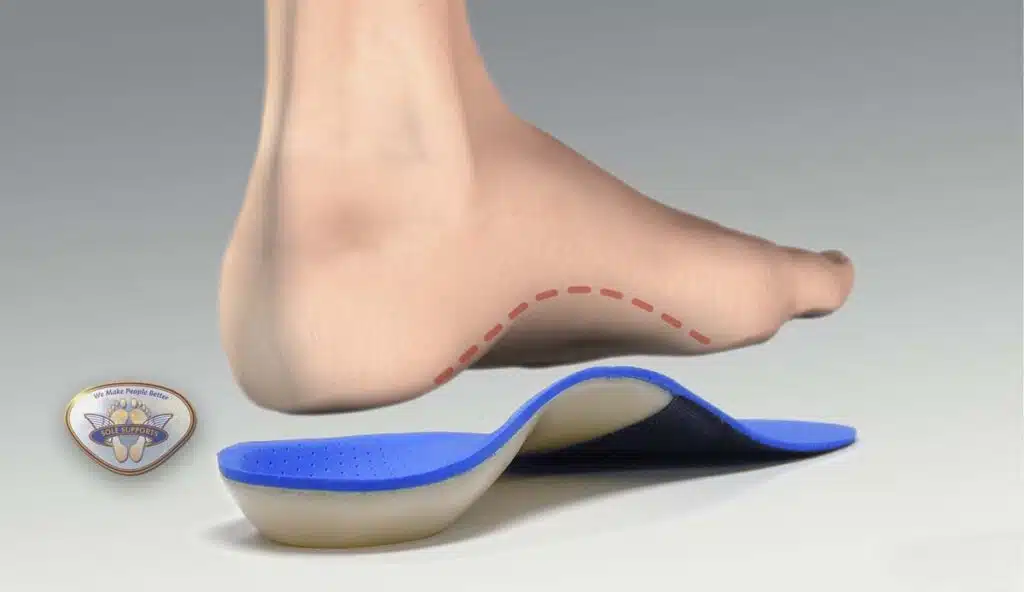
The foundation of foot health begins with what you wear. For professionals who spend long hours on their feet or transition between office shoes and workout gear, footwear choice is critical. Shoes that lack arch support or are too narrow can compress the foot, exacerbating pronation (flat feet) and placing direct pressure on the tarsal tunnel.
To prevent Tarsal Tunnel Syndrome, look for shoes with a wide toe box that allows your toes to splay naturally. Adequate arch support is also essential to prevent the collapse of the foot, which stretches the tibial nerve. If you are a runner or participate in high-impact sports, ensure your athletic shoes are replaced regularly—typically every 300 to 500 miles—as worn-out cushioning loses its ability to absorb shock, transferring that stress directly to your ankles.
Incorporate Routine Stretching and Strengthening
Prevention is an active process. Just as you might stretch your back after a long day at a desk, your feet and calves require daily attention to stay healthy. Tight calf muscles are a major contributor to foot mechanics that lead to nerve compression. When the calf is tight, it limits ankle mobility, forcing the foot to over-pronate to compensate.
Incorporating a simple daily routine can make a profound difference. Focus on:
Calf Stretches: Perform these against a wall to keep the gastrocnemius and soleus muscles pliable.
Achilles Tendon Stretches: Keeping this tendon flexible reduces tension on the heel cord.
Arch Strengthening: Simple actions like picking up a towel with your toes can reinforce the intrinsic muscles that support your arch.
These small, consistent efforts help maintain the structural integrity of your foot, reducing the likelihood of the tibial nerve becoming trapped or irritated again.
The Role of Regular Chiropractic Check-Ups
Think of your body like a high-performance vehicle; it runs best with regular maintenance rather than waiting for a breakdown. Regular chiropractic check-ups are vital for preventing the recurrence of Tarsal Tunnel Syndrome.
Even in the absence of pain, subtle misalignments or restrictions in the foot, ankle, or even the hip can alter your gait. Over time, these minor deviations can accumulate, leading to the same stress patterns that caused the initial injury. A sports chiropractor can identify and correct these biomechanical shifts before they develop into symptomatic problems. Periodic evaluations ensure
Conclusion
Navigating the sharp, burning pain of Tarsal Tunnel Syndrome can feel like an insurmountable obstacle, especially when it interferes with your career, family time, and the active lifestyle you value. However, as we have explored, this condition does not require you to resign yourself to chronic discomfort or rush toward invasive surgical interventions.
Chiropractic care offers a sophisticated, evidence-based pathway to recovery that aligns with a holistic view of health. By choosing a non-invasive approach, you are not merely treating the symptoms of pain and numbness; you are engaging in a process that identifies and corrects the root biomechanical causes of nerve compression. Whether through soft tissue mobilization, laser therapy, or corrective exercises, the goal is to restore the natural function of your foot and ankle.
Consulting a chiropractic physician with a specialty in sports medicine provides an distinct advantage. These practitioners possess the analytical skills to evaluate the kinetic chain—how your foot, knee, and hip move together—ensuring that your treatment plan is as unique as your own physiology. This level of personalized care is essential for not only resolving the immediate issue but also for building the structural resilience needed to prevent future recurrence.
Your ability to move freely is fundamental to your quality of life. If you are experiencing problems like this with your foot, contact us for an evaluation.
Between early meetings, school pickups, and squeezing in a workout before the day disappears, recovery is one of the first things that slips. When your schedule is packed, the small daily choices matter most, because they're the ones you can actually sustain. Hydrogen...
Psoas tendonitis—also called iliopsoas tendinopathy—is an irritation or inflammation of the iliopsoas tendon that causes deep groin pain in runners. It develops from repetitive hip flexion, training errors, and muscle imbalances. With structured rehabilitation across...
You know the feeling. The first mile feels great, but after you put some miles in, a dull ache settles into your lower back. By the time you finish, you're walking a little stiff, wondering if this is just part of getting older or if something's actually wrong. As a...
Stand up for a moment and close your eyes. Notice how your body automatically makes tiny adjustments to keep you upright. You do not have to consciously tell your brain to balance. Your nervous system handles it for you, relying heavily on a structure right at the...
A Lateral Ankle Sprain can happen in a split second. You’re coming down from a rebound during a pickup basketball game, or maybe you simply stepped off a curb wrong while rushing to a meeting. Your foot twists inward, and you feel that familiar, sharp pain on the...
An adductor strain, often called a groin pull, is a common injury that can sideline even the most conditioned athletes. This sharp, sudden pain on the inside of the thigh occurs when the adductor muscles are stretched or torn. While particularly prevalent in sports...