Creatine for runners is gaining attention among competitive racers and recreational joggers alike, and the research behind it is stronger than many people expect. Most people picture creatine in a weight room, where a bodybuilder mixes powder into a shaker bottle before a heavy lifting session. That image is common, but it leaves out a growing group of athletes who may benefit just as much.
Creatine is one of the most thoroughly studied supplements in sports nutrition, going back decades. Hundreds of studies have examined how it affects performance, recovery, and long-term health. Creatine’s ability to affect brain health is a new area that is being explored. If you fit your training around a career and family, that evidence matters. You need efficient, sustainable ways to improve your running and stay injury-free, not trendy shortcuts.
What Is Creatine?
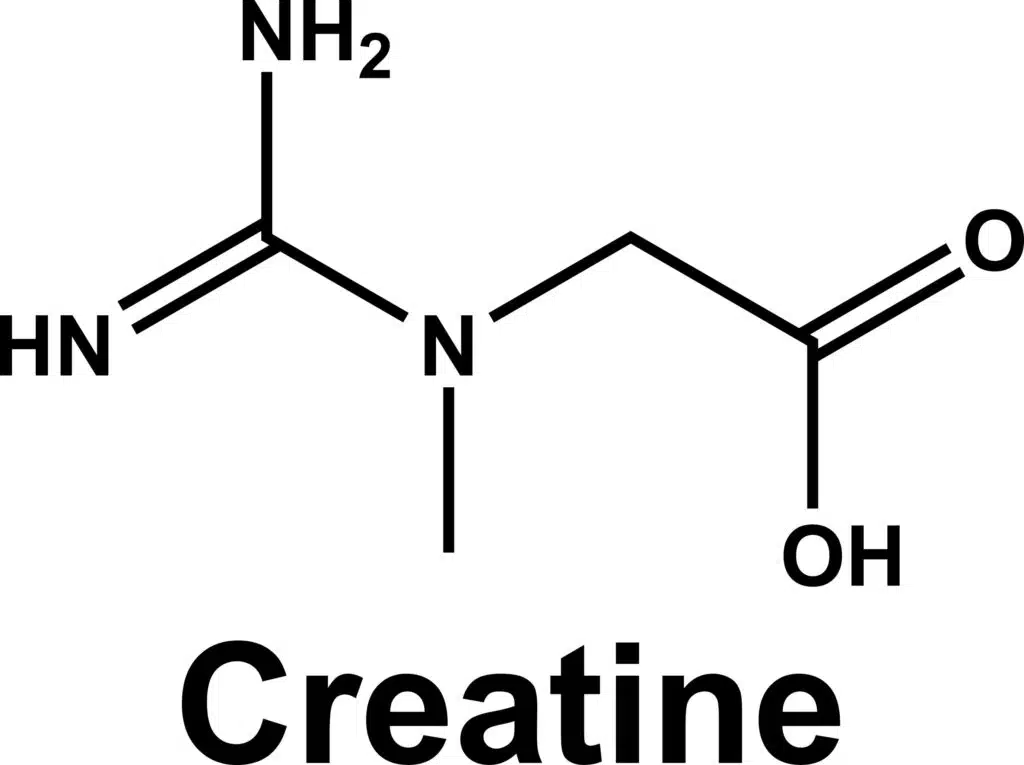
Creatine is a natural compound your body makes from three amino acids: arginine, glycine, and methionine. Your liver and kidneys produce some of it each day, and you also get creatine from foods such as red meat, poultry, and fish. About 95% of your body’s creatine is stored in skeletal muscle, the muscles you use to move.
How Does Creatine Work?
Understanding why creatine helps runners starts with how your muscles produce energy.
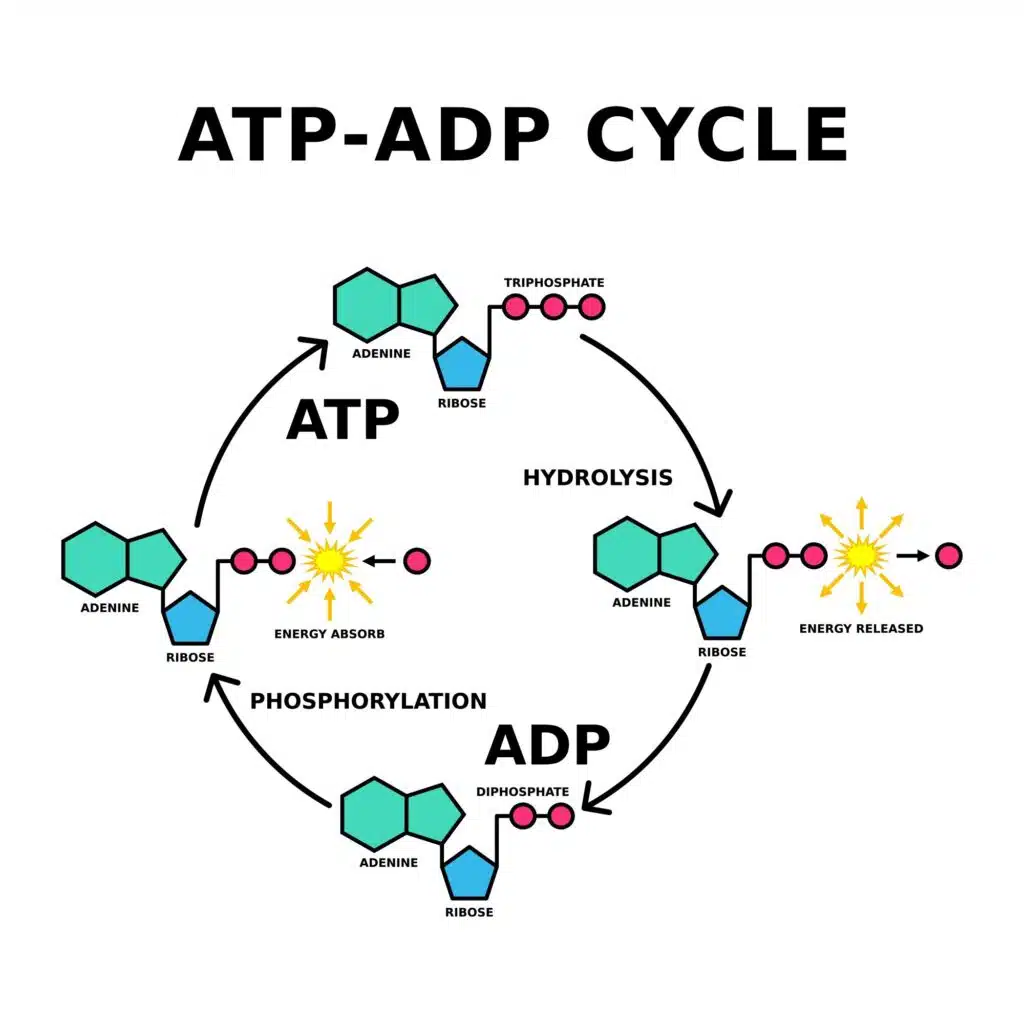
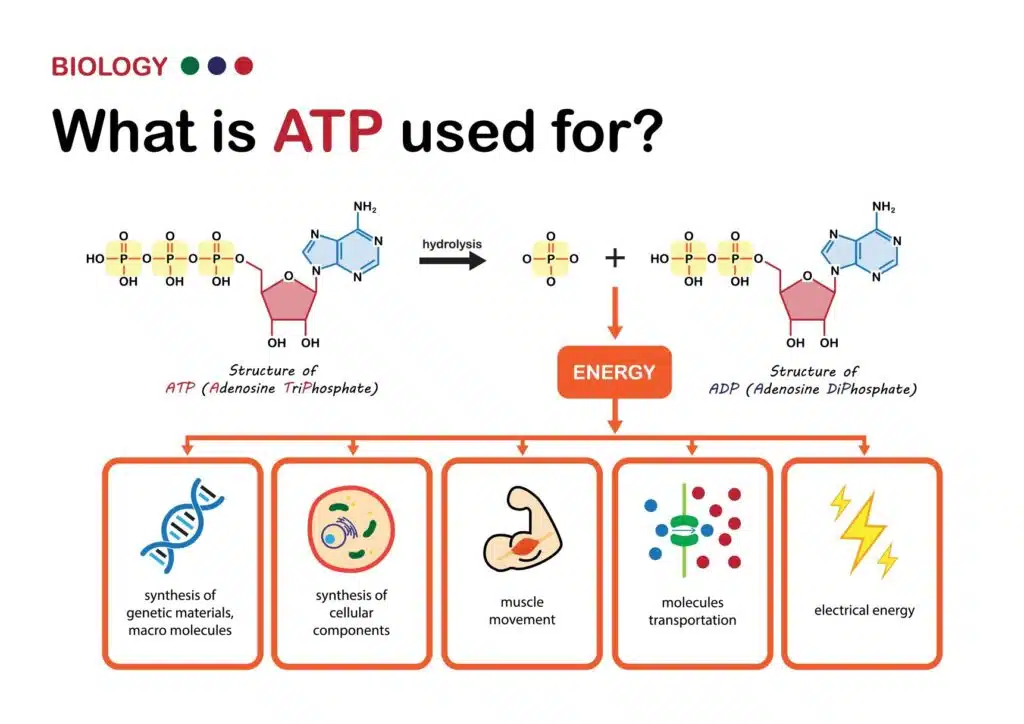
Every muscle contraction depends on a molecule called ATP (adenosine triphosphate), often described as the energy currency of the cell. When a muscle contracts, it “spends” ATP to produce force. The challenge is that your muscles store only a small amount of ATP. During an all-out effort, that supply runs low within a few seconds. This maximum effort will result in anaerobic respiration within the muscle cells that is limited in its ability to create energy and is also how you make lactic acid. The muscle cells use aerobic respiration when the work being done is under a certain threshold. Aerobic respiration is much more efficient at producing ATP and does not produce lactic acid as a waste product.
This is where creatine steps in. Because ATP is limited inside cells, your muscles will store creatine as phosphocreatine. When ATP is used, phosphocreatine quickly donates a high-energy phosphate group to rebuild it. This process, known as the phosphocreatine system, is the fastest way your body can restore ATP. Think of creatine as a phone’s backup battery. It won’t power you through a marathon, because your aerobic system handles that job. But it delivers a fast recharge when you need a quick burst of energy, such as surging up a hill or kicking toward the finish line.
Diet alone rarely fills your muscle creatine stores to capacity. Creatine supplementation for runners can raise these stores, often by 20% to 40%, which means more “fast fuel” is available on demand. Runners who follow vegetarian or plant-based diets usually start with lower levels because plant foods contain almost no creatine. As a result, they often see a larger response to supplementation than people who eat meat regularly.
Creatine Benefits for Runners: Sprint and Interval Performance
The best-supported advantage of creatine is better performance during short, high-intensity efforts, and this is where the research is most consistent. Studies repeatedly show that creatine improves performance in repeated sprints and high-intensity interval training. The reason ties directly back to the phosphocreatine system. With larger creatine stores, your muscles rebuild ATP faster between efforts, so you recover more fully during short rest periods and produce more power in the next rep.
In practical terms, the creatine benefits for runners often show up at a few key moments:
A stronger finishing kick in the final stretch of a race
More power on hill climbs, especially steep or repeated hills
Better quality across interval sets, with less drop-off in your later repetitions
Consider a workout of eight 400-meter repeats. Many runners slow noticeably by the sixth or seventh interval. Creatine may help you hold your target pace deeper into the session, which is exactly where the hardest and most productive training happens.
That matters because speed sessions and intervals drive a large share of a runner’s fitness gains. When work meetings and school pickups limit your training time, each key workout carries more weight. Getting more out of the sessions you can fit in may be one of the most valuable creatine benefits for runners with packed schedules.
Can Creatine Support Endurance Running?
This is where misconceptions are most common. Some people assume creatine does nothing for distance runners, while others overstate its effects. The truth sits in the middle.
Creatine does not directly raise your aerobic capacity, also known as VO2 max, because long, steady runs rely mainly on your aerobic system rather than the phosphocreatine system. Its endurance benefits are mostly indirect, but they can still be meaningful.
The first involves fuel. Glycogen is the stored form of carbohydrate in your muscles and your main fuel source during longer, harder runs. When glycogen runs low, you may “hit the wall.” Some studies suggest that taking creatine alongside carbohydrates may help muscles store more glycogen. Picture starting a long drive with a slightly larger fuel tank. The engine doesn’t change, but you have a bit more reserve before you need to refuel.
The second involves pace changes. Few runs happen at a perfectly even pace. Races involve tactical moves and surges, trail running brings steep climbs and technical terrain, and group runs often include spontaneous pushes. Each of these shifts briefly calls on your fast-energy system, and creatine may help you respond to them without fading as quickly afterward.
The biggest endurance payoff, however, may come through a chain reaction. Creatine supplementation can support stronger performance in key workouts for runners. Stronger workouts lead to better training adaptations, and over weeks and months, those adaptations build endurance. Put simply, creatine helps you train better, and better training makes you a better distance runner.
Faster Recovery Between Runs
Consistency is the foundation of running progress, and recovery is what makes consistency possible. Some research suggests creatine may lower markers of muscle damage and inflammation after strenuous exercise, while other studies show smaller or no effects. Because the findings are promising but mixed, it’s best to view creatine as a possible recovery aid rather than a guaranteed one.
Even modest support can make a difference in real life. Work deadlines, family commitments, and short nights of sleep all slow your body’s ability to bounce back. When recovery lags, soreness lingers and workouts suffer. Better recovery can mean less soreness, more consistent training, and fewer missed sessions.
Recovery also plays a direct role in injury prevention. Accumulated fatigue raises injury risk because tired muscles absorb impact less effectively, shifting more stress onto tendons, ligaments, and joints. Supporting recovery is part of a preventative, long-term approach to running health, one that keeps you on the road instead of on the sidelines.
Preserving Muscle and Strength as You Age
Creatine’s value reaches well beyond race day. It may also influence how well you move for decades to come. Muscle mass and strength begin to decline gradually in your 30s and 40s, and that loss tends to speed up with each decade. Running is excellent for heart health and endurance, but it doesn’t fully protect against this decline on its own.
Research shows that creatine combined with resistance training helps adults, including older adults, maintain lean muscle and strength. The key word is combined. Creatine works best as a partner to strength training, not a replacement for it. Even two short strength sessions each week can make a real difference for runners.
Strong muscles act as shock absorbers and stabilizers for your body. They improve joint stability at the knees, hips, and ankles, support more efficient running mechanics, and reduce strain on the lower back and hips, which are common pain points for active adults. Strong glutes and hip muscles, for example, help control knee alignment with each stride. When those muscles are weak, the knee can drift inward, which raises the risk of issues like runner’s knee.
Is Creatine Safe for Runners? Addressing Possible Side Effects
Hesitation about supplements is healthy, so it helps to look at what the evidence actually shows. Creatine is among the most researched supplements available, and in healthy adults, studies lasting several years have found a strong safety profile at commonly studied amounts.Most healthy adults tolerate creatine well, but a few effects are worth knowing about.
Water weight gain is the most common change. Creatine draws water into your muscle cells, which can cause a small increase in body weight, often 1 to 2 pounds. This is water stored in muscle, not fat. Some distance runners worry about carrying extra weight on long runs, and that’s a fair point, especially for elite racers. For most recreational runners, though, the possible gains in workout quality, recovery, and muscle preservation may outweigh a slight change on the scale.
Digestive discomfort, such as bloating, cramping, or loose stools, usually appears with large single doses. Splitting your dose, taking it with food, and dissolving the powder fully in liquid can help.
Elevated creatinine may show up in bloodwork. Creatinine is a natural byproduct of creatine, and doctors use it to assess kidney function. A higher reading in a healthy person who takes creatine doesn’t mean kidney damage. Tell your provider you take creatine before any lab tests, so they read your results correctly.
Finally, the long-standing concerns about muscle cramping and dehydration haven’t held up in research. Studies, including some in athletes training in the heat, have found no increased risk. Still, normal hydration habits remain important for every runner, with or without supplements. If you have kidney concerns or take medication, talk with a healthcare provider before you start.
How to Use Creatine
Creatine is simple to use, but a few details make a real difference in how well it works and how your body responds. The goal is steady, consistent use rather than perfect timing or large doses.
Creatine monohydrate is the best choice for most runners. It is the most researched form, and it is usually the most affordable. Newer forms such as creatine HCl or buffered creatine often cost more, and none have proven more effective.
A daily dose of 3 to 5 grams is enough to raise muscle creatine stores over time. Some people use a loading phase of about 20 grams per day, split into four doses, for five to seven days. Loading fills your stores faster, but it isn’t necessary. A steady 3 to 5 grams reaches the same level in about three to four weeks. It also lowers the chance of stomach upset.
A few habits help you get the most from each dose:
Prioritize consistency over timing. Taking creatine every day matters far more than whether you take it before or after a run.
Pair it with a meal. Carbohydrates and protein may slightly improve how well your muscles absorb creatine.
Stay well hydrated. Creatine pulls water into your muscles, so keep up your normal fluid habits, especially on hot or long training days.
Choose third-party tested products. Look for seals from NSF Certified for Sport or Informed Sport. These confirm that the product contains what the label says and nothing it shouldn’t.
Frequently Asked Questions About Creatine for Runners
Does creatine help long-distance runners? Yes, though mostly indirectly. Creatine may improve glycogen storage, help you handle surges and hills, and support higher-quality training that builds endurance over time.
What are the main creatine benefits for runners? The key benefits include stronger sprints and intervals, indirect endurance support, possible recovery improvements, and better muscle preservation with age.
Will creatine make me bulky? No. Creatine doesn’t build large muscles on its own. Significant muscle growth requires heavy, targeted strength training and extra calories. For most runners, the main change is a small amount of water weight.
Is creatine supplementation for runners safe for older adults? Research in older adults is encouraging, especially when creatine is paired with strength training to slow muscle loss. Older adults should check with a provider first, particularly if they manage health conditions or take medication.
Do female runners benefit from creatine? Emerging research suggests women may benefit as well. Women tend to have lower natural creatine stores, and early studies are exploring its role in strength, recovery, and bone health across different life stages.
Is Creatine Right for Your Running Goals?
The research paints a clear picture. The core creatine benefits for runners include stronger sprints and intervals, indirect support for endurance, possible recovery gains, and help preserving muscle as you age. These benefits rest on decades of study, not marketing hype.
Still, creatine is a tool, not a shortcut. It works best as one part of a holistic, preventative approach that also includes strength training, smart recovery, balanced nutrition, and quality sleep. When those pieces come together, you give your body the best chance to perform well and stay healthy for years.
If you’re considering creatine for runners, discuss it with a trusted healthcare provider who understands your goals, your health history, and your training. This is especially important if you have kidney concerns or diabetes, or if you take medication. Creatine can also raise creatinine, a lab marker used to assess kidney function, so let your provider know you’re taking it before any bloodwork.
Between early meetings, school pickups, and squeezing in a workout before the day disappears, recovery is one of the first things that slips. When your schedule is packed, the small daily choices matter most, because they're the ones you can actually sustain. Hydrogen...
Psoas tendonitis—also called iliopsoas tendinopathy—is an irritation or inflammation of the iliopsoas tendon that causes deep groin pain in runners. It develops from repetitive hip flexion, training errors, and muscle imbalances. With structured rehabilitation across...
You know the feeling. The first mile feels great, but after you put some miles in, a dull ache settles into your lower back. By the time you finish, you're walking a little stiff, wondering if this is just part of getting older or if something's actually wrong. As a...
Stand up for a moment and close your eyes. Notice how your body automatically makes tiny adjustments to keep you upright. You do not have to consciously tell your brain to balance. Your nervous system handles it for you, relying heavily on a structure right at the...
A Lateral Ankle Sprain can happen in a split second. You’re coming down from a rebound during a pickup basketball game, or maybe you simply stepped off a curb wrong while rushing to a meeting. Your foot twists inward, and you feel that familiar, sharp pain on the...
An adductor strain, often called a groin pull, is a common injury that can sideline even the most conditioned athletes. This sharp, sudden pain on the inside of the thigh occurs when the adductor muscles are stretched or torn. While particularly prevalent in sports...