
Post-Concussion Syndrome: Restore Your Balance
Post Concussion Syndrome is not something that is supposed to happen. A concussion is typically a temporary injury, but for some individuals, the recovery process takes much longer than anticipated. Post Concussion Syndrome is a complex neurological condition where symptoms from a head injury persist well beyond the expected healing window, often lasting for months after the initial trauma. Rather than a simple injury that fades quickly, this syndrome represents an ongoing disruption in how your brain, spine, and nervous system communicate.
Lingering symptoms create significant roadblocks when you are trying to balance a demanding career with family life. Dealing with persistent tension headaches, dizziness, and cognitive fatigue becomes incredibly frustrating. Post Concussion Syndrome directly impacts your energy levels and your ability to function efficiently in daily tasks, making it difficult to maintain the active schedule you are used to.
Simply waiting for the symptoms to pass is not a practical or effective solution, despite it being one of the most common recommendations from medical professionals. Healing from this condition requires targeted, holistic care that addresses the specific mechanics of your injury rather than just masking the problem. Chiropractic neurologists are uniquely equipped to provide this level of comprehensive, evidence-based care. By evaluating your nervous system alongside the joints and soft tissues of the cervical spine, a chiropractic neurologist can design a personalized wellness plan. This specialized approach treats the underlying dysfunctions, providing safe and sustainable relief to help you overcome the injury and get back to your busy, active lifestyle.
Signs and Symptoms of Post Concussion Syndrome
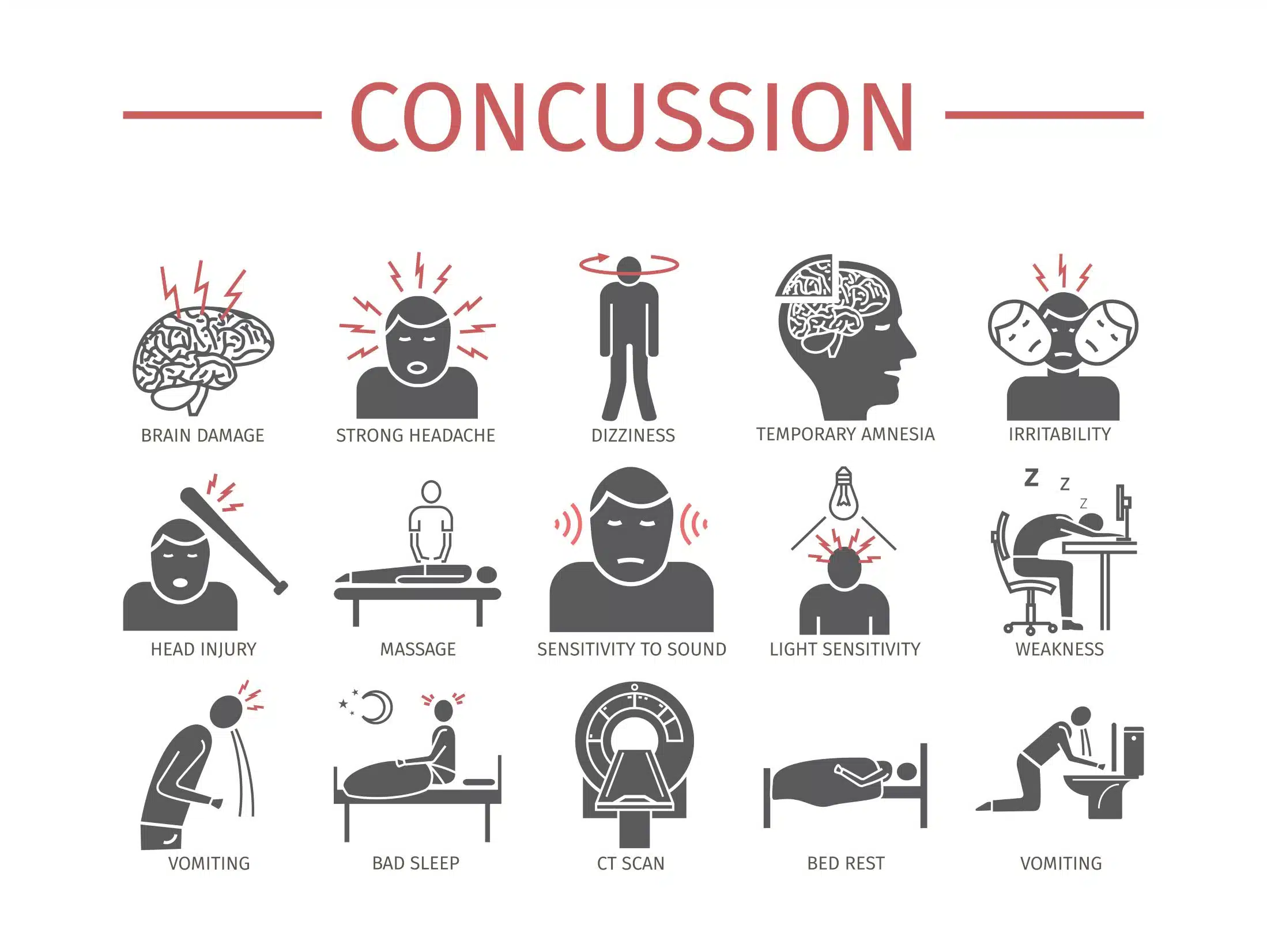
Identifying the specific signs and symptoms of Post Concussion Syndrome is a critical step in reclaiming your active lifestyle and professional focus. When concussion symptoms persist, they manifest in diverse ways that affect your physical comfort, cognitive abilities, and emotional well-being. Understanding these distinct categories of symptoms helps you seek the right holistic, personalized care to support your long-term recovery.
Physical Symptoms
The physical toll of this condition frequently centers around the head and neck. You may experience persistent tension headaches and significant neck pain, which are often directly tied to underlying cervical spine issues sustained during the initial injury. The physical force of a head trauma usually impacts the neck joints and surrounding soft tissues. Additionally, you might experience lingering dizziness, vertigo, and a heightened sensitivity to light or noise. These physical barriers can make a standard workday or a busy evening with your family feel entirely overwhelming.

Cognitive Challenges
For most people, cognitive disruptions are often the most frustrating aspect of recovery. You might notice a persistent “brain fog” that clouds your thinking. Difficulty concentrating on complex projects, memory issues during important meetings, and a general slowing of mental processing can severely disrupt your daily tasks and professional performance. Your brain requires immense energy to heal, which leaves fewer metabolic resources available for high-level executive functioning. It also becomes easier for people to get overwhelmed and over-stimulated when they have suffered a mild traumatic brain injury.
Emotional and Psychological Changes
It is very common to experience notable mood shifts as a direct result of your injury. You might feel uncharacteristic irritability, sudden anxiety, or have bouts of depression. It is important to understand that these are not simply emotional reactions to the frustration of being injured. They are physiological responses to the altered brain metabolism and nervous system stress caused by the physical trauma.
Sleep Disturbances
Proper rest serves as the foundation of healing, yet sleep disturbances act as a primary hallmark of this condition. You may struggle with severe insomnia, finding it impossible to fall asleep or stay asleep. Conversely, you might find yourself sleeping significantly more than usual without ever feeling fully rested. Disrupted sleep patterns compound your physical and cognitive symptoms, increase your baseline stress levels, and significantly delay your body’s natural healing process.
Finding Sustainable, Holistic Relief
Addressing this complex web of symptoms requires a comprehensive, personalized wellness plan rather than a fragmented approach. Chiropractic neurologists serve as highly effective healthcare providers for treating these issues holistically. By focusing on the intricate relationship between the nervous system and the cervical spine, a chiropractic neurologist can pinpoint the root functional causes of your ongoing symptoms.
Using precise manual therapy to treat the joints and soft tissue of the neck, alongside targeted neurological rehabilitation and vestibular rehabilitation, they provide safe, evidence-based treatments. This specialized care restores proper joint mechanics and nervous system communication, offering sustainable pain relief and improved energy so you can return to your busy, active lifestyle.
Prevention Strategies After a Concussion
Taking the right steps immediately after a head injury plays a crucial role in preventing Post Concussion Syndrome, and proactive, evidence-based care is the most effective way to avoid long-term disruptions.
Immediate and Appropriate Care
The first step in preventing prolonged symptoms is seeking a comprehensive medical evaluation right away. It is usually a good idea to be sure that nothing scary is going on. Depending on the situation, it may be appropriate to go to the emergency room. Click here to find out when you should go to the ER after you hit your head.
After a head injury, it is important to get an baseline assessment to allow a healthcare provider that is experienced in concussion recovery to map out a wellness plan for you. This early intervention removes the guesswork from your recovery and gives you a structured, scientifically grounded path to heal efficiently.

Don’t Ignore Concussion Symptoms
We understand that after a bump to the head, seeking care is often the last thing on your busy schedule, but knowing when to act can make all the difference. Most concussion symptoms should ease within about a week. When headaches, dizziness, brain fog, or neck pain linger beyond that window, it is a clear sign that your recovery needs closer attention from a provider experienced in treating concussions, like a chiropractic neurologist. Here’s why timing matters: Post-Concussion Syndrome most often develops when those early symptoms are mismanaged or simply ignored. The good news is that prompt, personalized care can guide your brain and body back to healing. If your symptoms are sticking around, reach out for a thorough evaluation and get back to the active life you love.
What About My Family Doctor?
Your family doctor plays an important role in your overall health, but they may not be the best choice for managing concussion symptoms. Here’s why: there is no medication, injection, or surgery that can actually fix a concussion or speed up how quickly your brain heals. Certain medications may take the edge off symptoms like headaches or nausea, but they don’t address the underlying problem driving your discomfort. Unfortunately, many people leave their primary care visit with outdated advice, such as being told to simply go home and rest until they feel better—guidance that current evidence no longer supports. When symptoms linger, seeking care from a concussion-focused provider like a chiropractic neurologist gives you the specialized, evidence-based approach that helps you recover fully and avoid Post Concussion Syndrome.
Active vs. Strict Rest
In the past, patients were often told to sit in a dark room until their symptoms disappeared. We now know that prolonged strict rest actually delays recovery. Modern evidence-based treatments emphasize a shift toward relative rest followed by gradual, sub-symptom threshold activity. For example, engaging in light walking promotes healthy blood flow to the brain, delivering the oxygen and nutrients required for cellular repair. The key is to maintain this activity just below the level that triggers your pain or dizziness.
Managing Physical and Cognitive Load***
Your brain requires a massive amount of metabolic energy to heal after a trauma. If you drain that energy on heavy physical or mental tasks, you slow down the recovery process. In general, a good rule is to stop and rest if any activity increases any of your symptoms.
Pacing your cognitive load is essential for a safe, sustainable return to your normal life. You can manage this by taking frequent brain breaks, strictly limiting screen time, and dividing complex professional projects into smaller tasks. By slowly reintegrating these demands, you prevent overwhelming your healing nervous system.
Neck and Spine Assessment
It is very difficult to sustain a concussion without also experiencing a whiplash-like injury to the neck. The physical force required to injure the brain easily disrupts the delicate structures of the cervical spine. These mechanics often cause joint dysfunctions and soft tissue restrictions in the neck, which act as primary contributors to lingering tension headaches and dizziness. Having your cervical spine evaluated early prevents these joint issues from becoming chronic pain generators.

The Advantage of Chiropractic Neurology
Chiropractic neurologists serve as highly effective healthcare providers for guiding these precise prevention strategies. Because they understand the intimate relationship between your central nervous system and your spinal mechanics, they provide targeted, holistic care. A chiropractic neurologist will assess your brain function alongside the joints of your neck and utilize chiropractic adjustments, manual therapy and corrective exercises along with neurological rehabilitation which may include brain-based exercises, vestibular rehabilitation and neurovisual therapy. This comprehensive approach ensures that both the structural and functional aspects of your injury heal properly, helping you avoid Post Concussion Syndrome and return to your active, demanding lifestyle.
Evidence-Based Treatment and Management Options
Overcoming Post Concussion Syndrome requires more than simply waiting for symptoms to fade. Effective management demands a holistic and personalized treatment plan, carefully tailored to your specific symptoms and demanding lifestyle. Because every head injury uniquely impacts the brain and body, generic advice often falls short. Chiropractic neurologists excel at building customized wellness plans by evaluating your entire nervous system to provide sustainable relief and support your return to an active life.
Treat the Neck when you Have a Concussion
The physical impact of a concussion frequently disrupts the mechanics of your cervical spine, which includes the joints and bones of your neck. Treating the joints and soft tissues of the cervical spine offers an extremely safe and evidence-based method for relieving persistent tension headaches and neck pain. Chiropractic neurologists utilize highly specific chiropractic adjustments to restore proper joint alignment, ensuring your muscles work the right way.
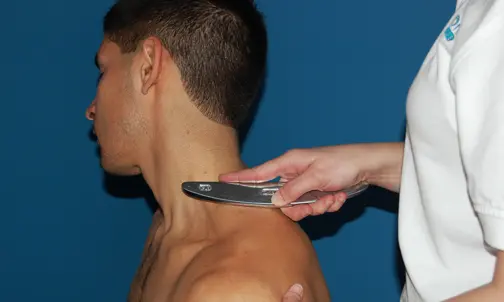
The muscles and soft tissue should not be ignored either and multiple types of treatments are available to restore their proper function. In our office, we use Graston Technique to address soft tissue restrictions. This specialized, instrument-assisted manual therapy effectively breaks down muscle tension and scar tissue around the neck, removing the physical barriers that generate chronic pain. Dry needling is another way to relieve the tight muscles, trigger points, and soft tissue restrictions in your neck that often develop after a concussion.



Vestibular Rehabilitation and Neurovisual Therapy
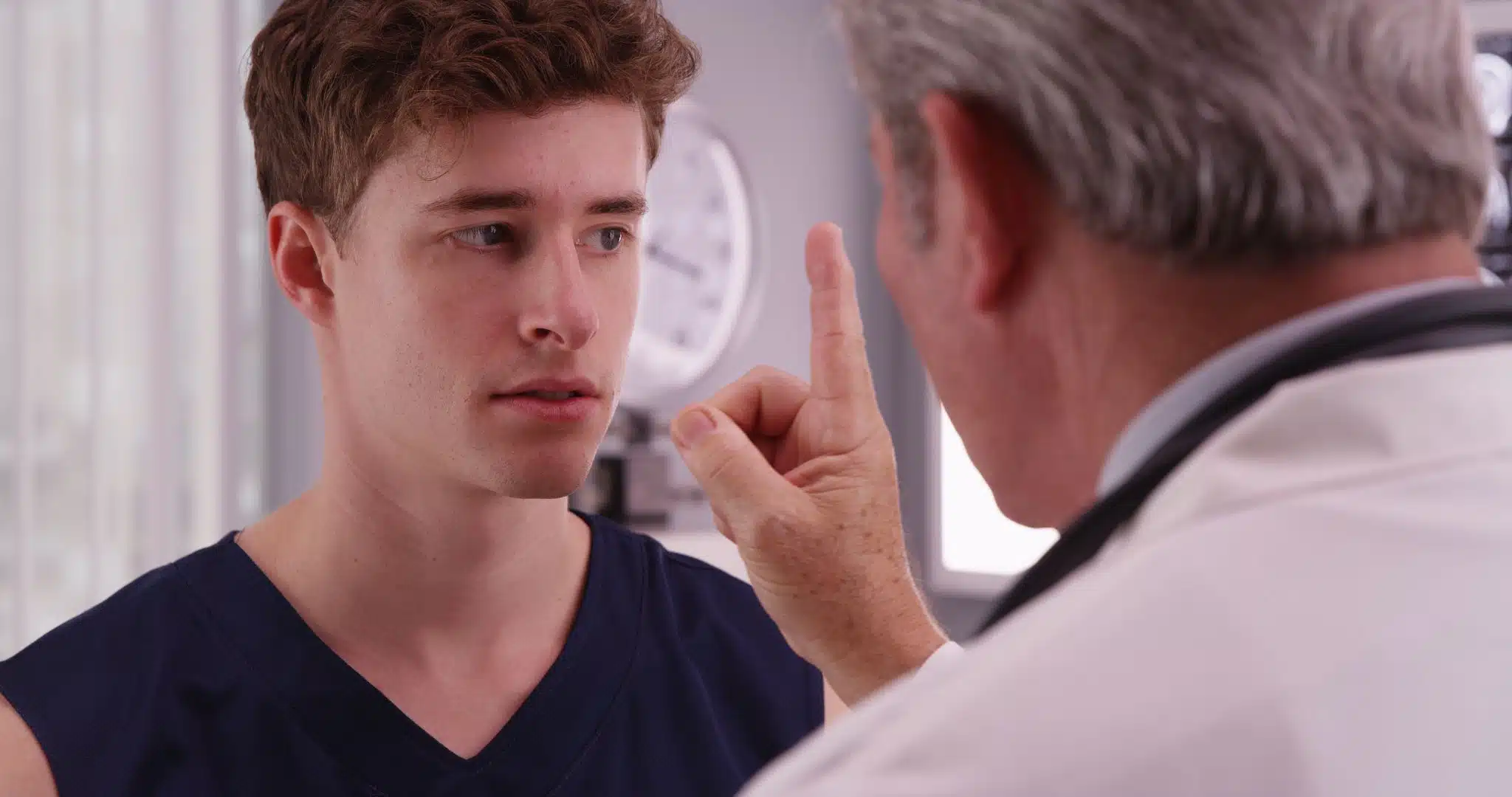
If you struggle with lingering dizziness, vertigo, or nausea, these symptoms usually stem from a communication breakdown between your eyes, inner ear, and brain. Vestibular rehabilitation and neurovisual therapy involve specialized, targeted therapies designed to retrain your brain’s balance, visual tracking systems and hand-eye coordination. By performing precise eye and head movements under the guidance of a chiropractic neurologist, you help your nervous system recalibrate. This precision therapy safely reduces motion sensitivity, restores your spatial awareness, and improves your ability to focus on complex tasks without experiencing sudden fatigue.
Stress Reduction and Lifestyle Modifications
Healing a neurological injury consumes a massive amount of metabolic energy. Actively managing your stress and protecting your work-life balance must serve as core components of your recovery. A personalized care plan includes structured stress reduction strategies, starting with mindful pacing. By intentionally breaking your professional tasks into manageable segments, you prevent overwhelming your healing brain. Furthermore, strict sleep hygiene improvements—such as maintaining consistent sleep schedules and eliminating screens before bed—ensure your central nervous system receives the deep, uninterrupted rest necessary for cellular repair.
Nutritional Support
What you consume directly influences how efficiently your brain heals. Proper nutritional support provides the essential building blocks for neurological recovery. Transitioning to an anti-inflammatory diet rich in omega-3 fatty acids, antioxidants, and dark leafy greens helps reduce systemic inflammation and protects delicate nerve tissues. Combining this dietary shift with optimal hydration naturally boosts your daily energy levels, flushes out metabolic waste, and creates the ideal internal environment for your body to overcome Post Concussion Syndrome.
Conclusion
Navigating the complexities of Post Concussion Syndrome can feel like an uphill battle, especially when you are trying to maintain a demanding career and an active family life. However, understanding the condition is the first step toward reclaiming your health. As we have explored, early intervention is critical. By recognizing the diverse physical, cognitive, and emotional symptoms early on, you can prevent them from becoming entrenched.
A “wait and see” approach is simply not effective for this level of neurological disruption. Instead, managing this condition requires a multifaceted approach to care. Reassure yourself that while dealing with persistent headaches, brain fog, or dizziness is incredibly frustrating, your brain is highly adaptable. Through the principle of neuroplasticity, your nervous system can heal and rewire itself when given the right support. Structured, evidence-based treatments—ranging from manual therapy on the cervical spine to vestibular rehabilitation—consistently yield excellent results.
If you are struggling with lingering symptoms that disrupt your daily tasks, do not settle for living with chronic pain and fatigue. We encourage you to seek a comprehensive evaluation from a qualified healthcare provider. Chiropractic neurologists specialize in delivering the effective, holistic care needed to treat the root cause of your symptoms. By assessing both your nervous system and spinal mechanics, they can design a customized, personalized wellness plan that fits your busy schedule. Take the proactive step today to begin your recovery journey, reduce your pain, and restore the active, healthy lifestyle you deserve.